


Tile roofs and Colorbond roofs are both common in Brisbane, but which one is right for your home? The answer depends on your structure, budget and preferences. There are different factors you can think about, depending on your needs. A side-by-side comparison may give you an idea of how each option can work for your situation.
If you need help choosing the right roofing solutions for your home, contact Infinite Roofing for a free quotation. We’re experts in all things roofing!
Key takeaways
Colorbond roofs may have higher upfront costs, but can have lower ongoing maintenance costs.
Heavy tile roofs can put more pressure on timber roof frames.
It’s important for Brisbane roofs to be able to withstand various weather conditions.
Converting a tile roof to Colorbond steel may be a good option in some cases.
The quick answer: Colorbond or tiles for Brisbane?
Let’s establish what we’re talking about when referring to these products.
Colorbond
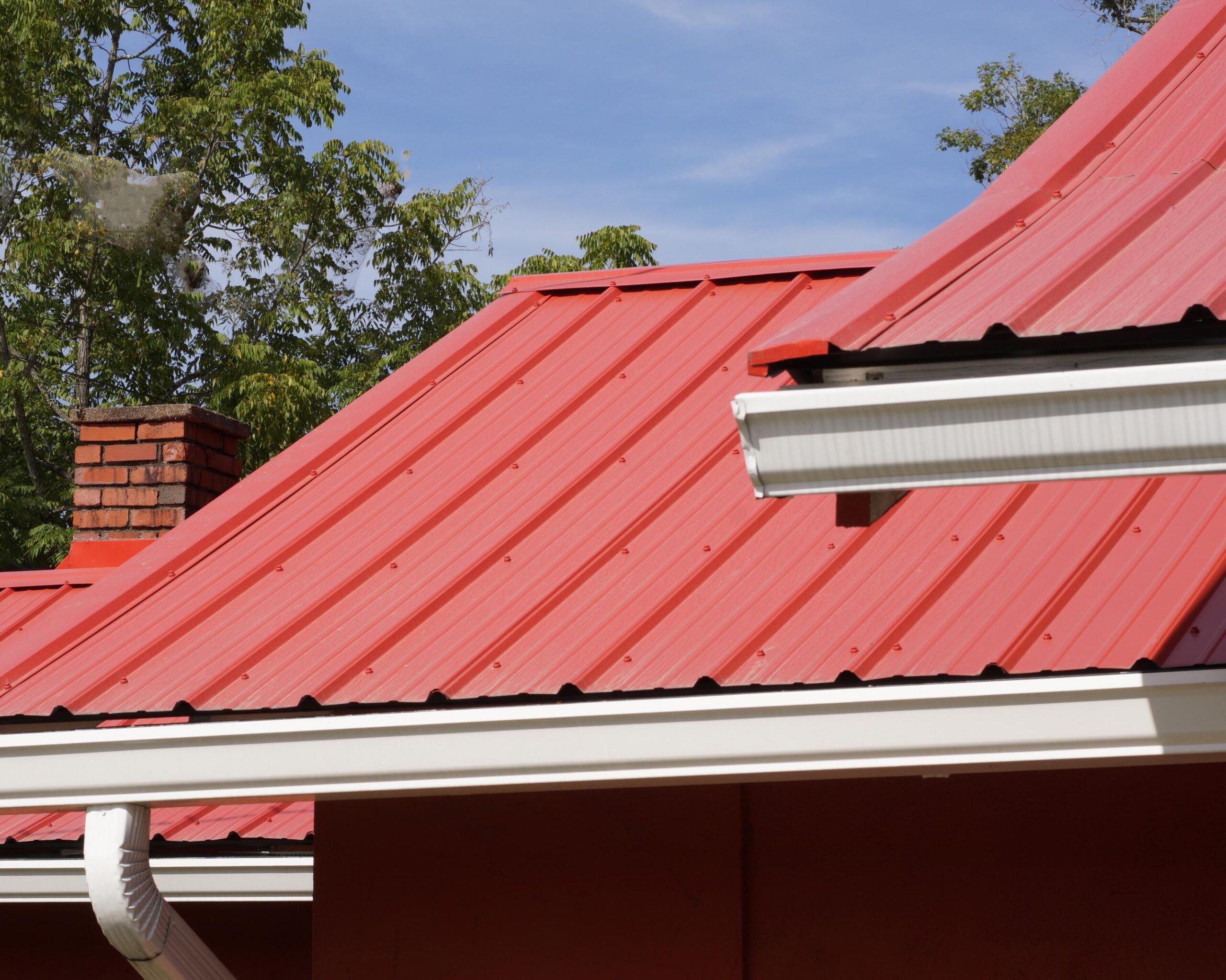
It is a coated steel roofing material designed to protect your home in several ways. It has layers that resist corrosion and chipping to help the roof stay in good condition through varied weather. According to BlueScope Colorbond product information, Colorbond steel is manufactured to meet relevant Australian Standards and is backed by manufacturer warranties. It can be corrugated or standing seam, depending on what suits your needs. It is available in various colours to give the right aesthetic appeal.
Roof tiles
There are different tiles used as roofing material. These can include:
Concrete tiles.
Terracotta tiles.
Clay tiles.
Slate tiles.
You may find flat roof tiles being used on some homes. The traditional tiles that most people are familiar with are curved roof tiles.
What's the verdict?
For many Brisbane homes, Colorbond steel is a strong option to consider, depending on the home’s structure, budget and aesthetic preferences. It’s lightweight and designed to be durable. With regular maintenance, it is built to resist Australian weather conditions, though actual lifespan depends on installation, maintenance and exposure. Its solar reflectance properties may also help reduce heat transfer, which can contribute to lower cooling costs depending on insulation, orientation and home design. If you’re weighing up your options, our metal roofing Brisbane service page outlines what’s involved in a Colorbond installation, and our broader domestic roofing Brisbane page covers other home roofing options.
This isn’t universal. Some people prefer the look and thermal properties of tiles. It comes back to your personal preference and individual circumstances. If you’d like a tailored recommendation, you can get a free quote from our team.
Cost comparison: Colorbond vs tile roof in Brisbane
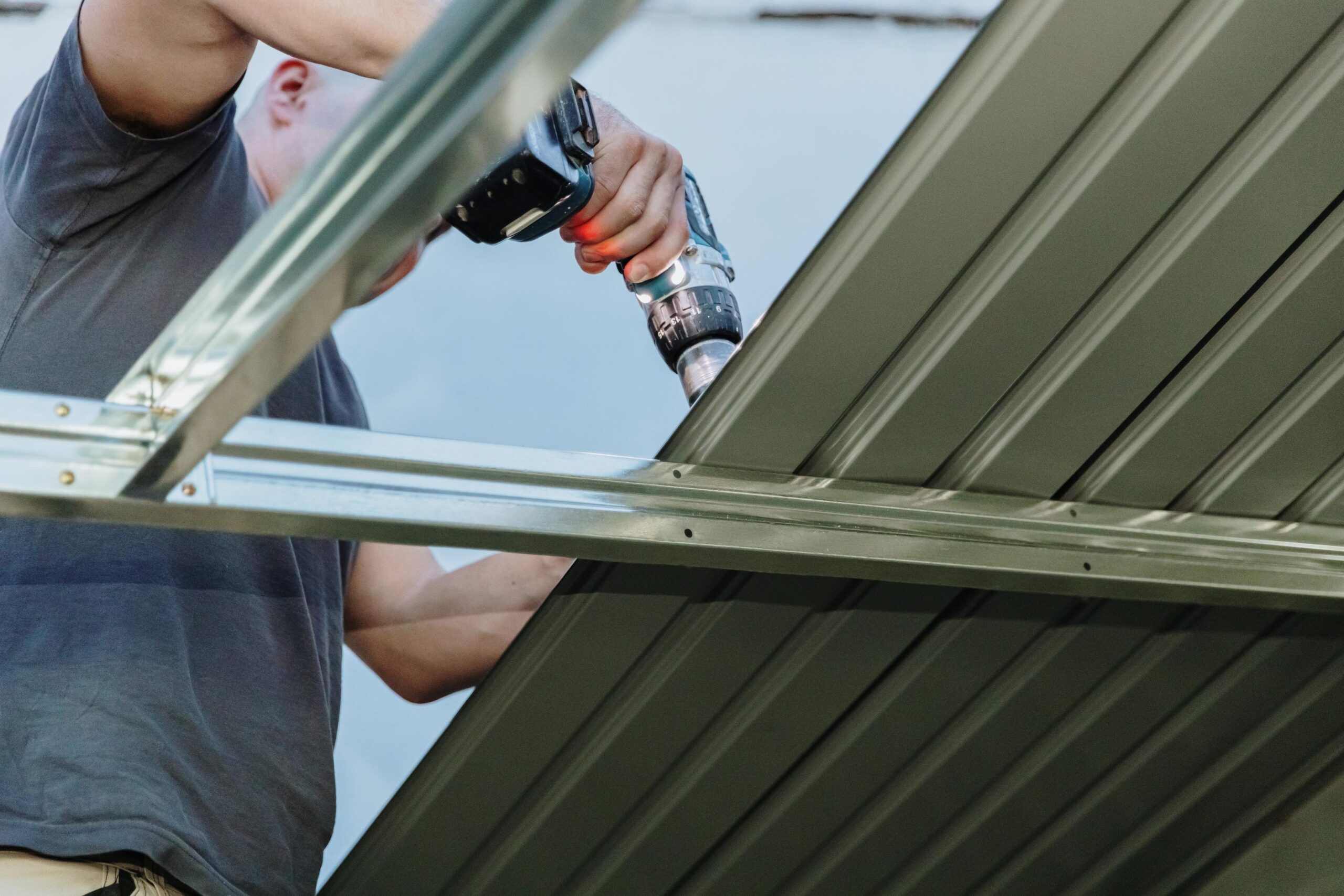
Roofing costs include what you’ll pay upfront and the ongoing expenses needed for upkeep. For a more detailed breakdown, see our guide on Brisbane roof replacement. Indicative installation ranges are below. Actual costs vary based on roof size, pitch, access and site conditions:
Colorbond is approximately $60-$90 per m². This may work out to around $18,000 to $26,000 for an average house.
Concrete tiles are approximately $40-$60 per m². These are often around $10,000-$15,000 for an average house.
Terracotta tiles are approximately $80-$120 per m². The total may work out to around $20,000-$32,000 for an average house.
If you need help choosing the right roofing solutions for your home, contact Infinite Roofing for a free quotation. We’re experts in all things roofing!
Ongoing cost
Once your new roofing system has been installed, it has to be maintained to extend its lifespan as much as possible. The less durable a material is, the more maintenance it will likely need. While it may have a higher upfront cost than some other materials, it typically requires minimal maintenance under normal conditions. For roughly the first 20 years, Colorbond roofs usually require limited upkeep, though this varies by installation and environment. This could change if there’s been major storm damage or other events.
Tiles may need a little more attention. Over 20 years, tile roofs often require repointing and rebedding. Any cracked tiles should be replaced to help prevent leaks. Tile roof maintenance costs vary widely; industry estimates often fall in the range of $3,000-$5,000 over the roof’s life, but actual costs depend on the property and condition.
Weight and structural impact
Colorbond roofs are considerably lighter than tiles. That means tile roofs require more structural support. A lot of houses in Brisbane were built between 1960 and 1990. These houses often used timber for the underlying structure. That may be sufficient for the existing roof. However, fitting a new tile roof can introduce concerns about the house’s structural integrity.
It doesn’t put nearly as much structural load on a timber frame. This can be an important consideration if you’re getting a replacement for an older Queenslander-style home.
Performance in Brisbane's climate
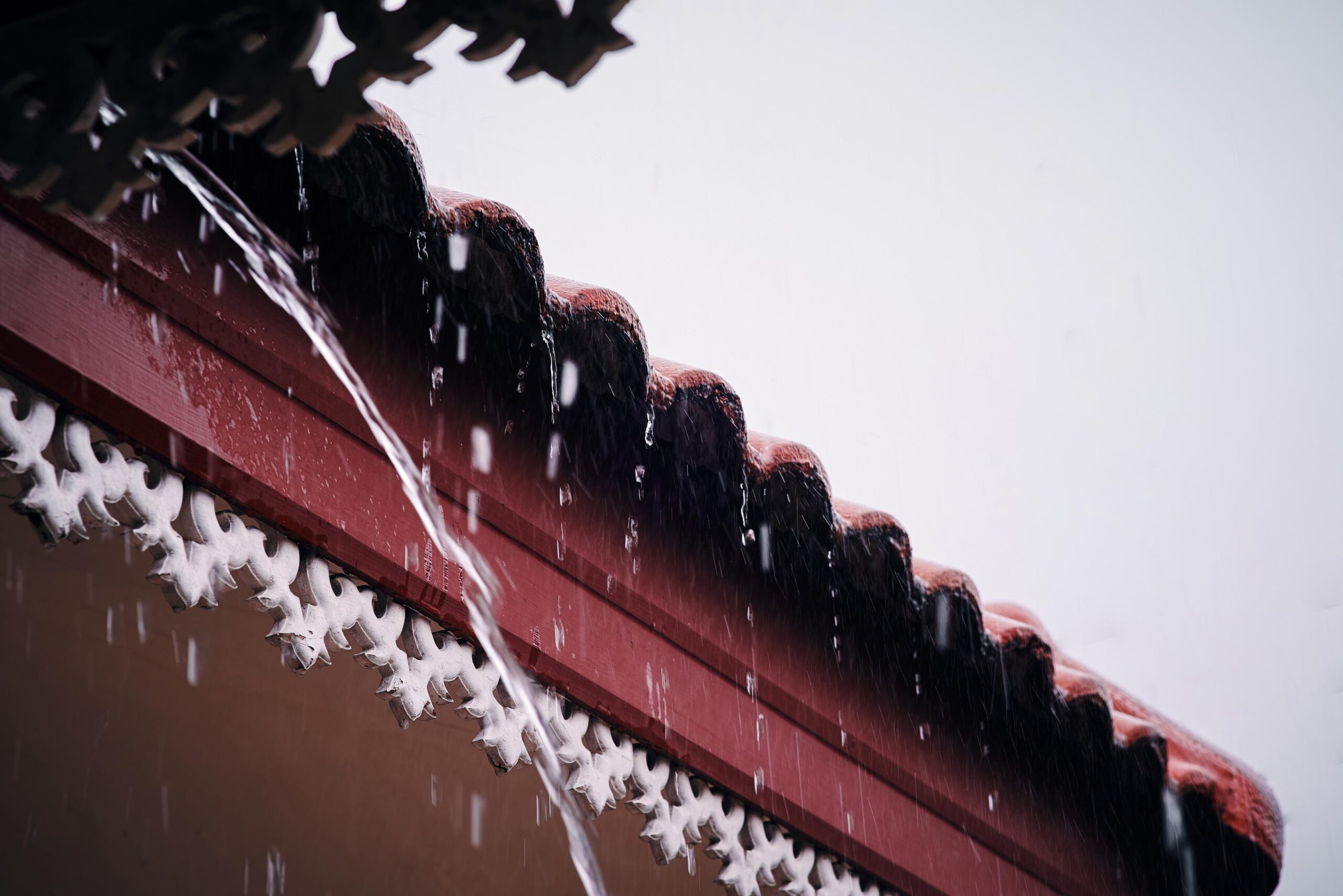
Brisbane enjoys pleasant weather for much of the year, but homeowners can also experience harsh conditions. According to Bureau of Meteorology Brisbane storm data, the region regularly experiences severe thunderstorms, hail, and heavy rainfall, particularly during the summer months. A weather-resistant roofing material can be beneficial. Colorbond’s multi-layered protection and specially designed paint are engineered to resist heavy rain and UV exposure across the roof. Metal roof installations in Australia should be designed and installed in line with Australian Standard AS1562.1, which governs the design and installation of sheet roof and wall cladding.
Energy efficiency
When it comes to insulation, tile roofs can offer some benefits. Because tiles are quite dense, they have a higher thermal mass. This means they can absorb and store heat and then release it gradually, which may help regulate indoor temperatures.
It uses solar reflectance technology designed to radiate away much of the sun’s rays. By being more solar reflective, much of the heat may be kept out, which can support cooling. Paired with appropriate insulation, you may rely less on the air conditioner year-round, which can help reduce electricity use.
It also tends to work well with solar panels. The radiant heat given off by tiles can reduce the effectiveness of panels. Colorbond’s steel generally dissipates heat more quickly.
Fire resistance
Houses in areas prone to bushfires need to consider the threat to their property. Tile roofs generally don’t have complete seals between the tiles, which can increase the risk that embers get inside the roof cavity. Metal roofs are generally considered more resistant to ember attack than tile roofs in bushfire-prone areas, though overall fire performance depends on the full roof system and BAL rating.
When a roof tile-to-Colorbond conversion makes sense
You might consider a replacement in situations such as:
Older roofing materials have an indicative service life. Colorbond steel manufacturers cite a typical service life of several decades when properly installed and maintained, while terracotta tiles can also have a long service life. Actual lifespan varies based on product, installation and conditions. As a roof approaches the end of its expected life, it may be worth considering a replacement.
Major damage is an isolated issues may be patched up. But where there’s significant damage across the roof.
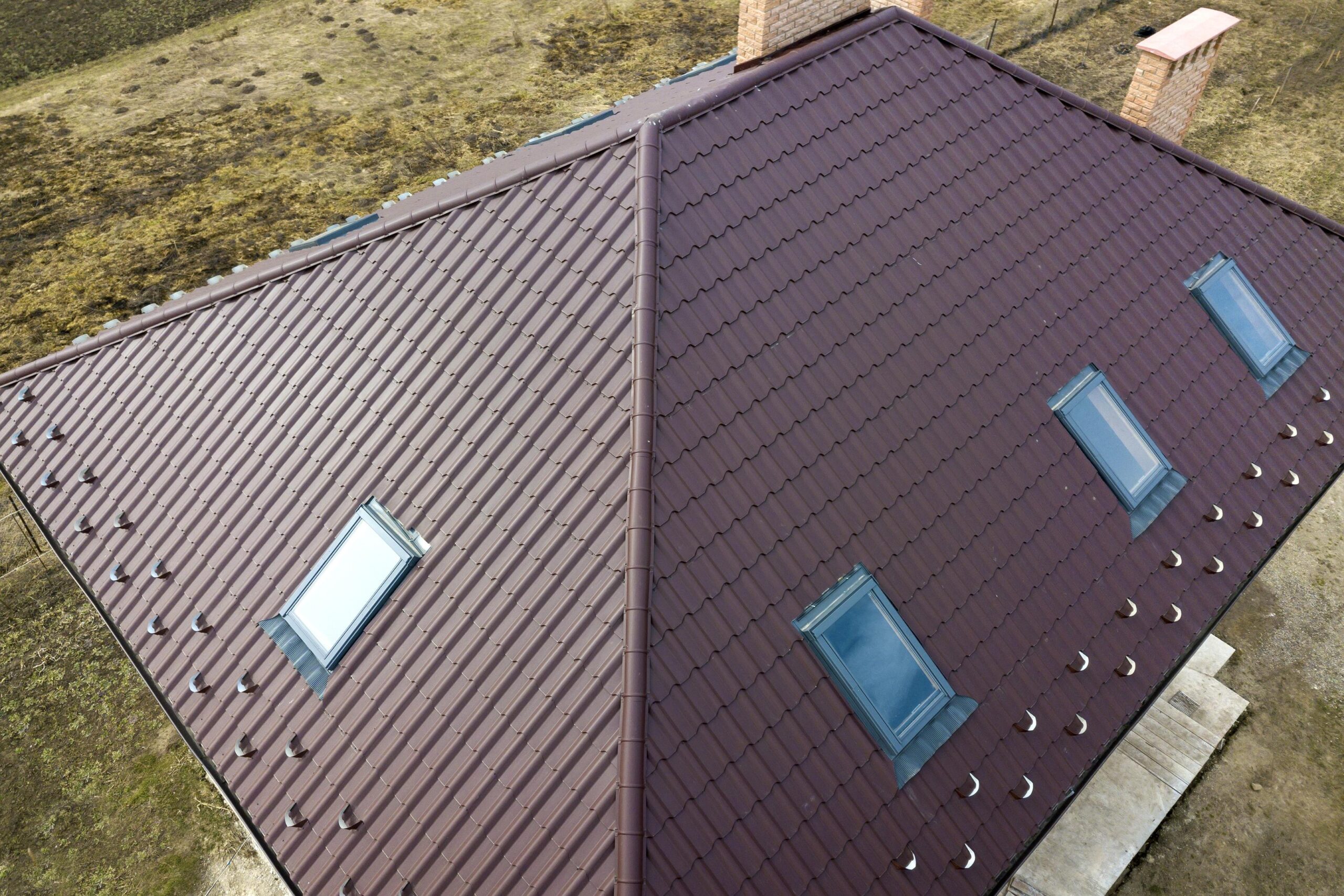
That can be a good opportunity to explore other roofing options. A tile-to-tin conversion service is one of the most popular upgrade paths. Some reasons it could be worth considering:
Asbestos concerns are some older homes may contain asbestos-containing materials. These can pose risks if they’re damaged or worn. Replacing such materials with a Colorbond roof through professional asbestos re-roofing may be safer and longer-lasting. Asbestos must be handled by licensed professionals.
Structural considerations, because tiles are heavier than steel, converting to Colorbond may help reduce structural load on the roof framing.
Maintenance requirements as roofs age, maintenance needs tend to increase. If you’re tired of replacing individual tiles and chasing leaks, a new Colorbond roof may reduce ongoing upkeep.
Energy considerations are Colorbond’s reflective properties may work well in the Queensland climate. Switching from tiles could help with cooling efficiency, depending on insulation and home design.
Not sure which path suits your home? Get a free quote and our team can talk you through the right option.
From our clients
Infinite Roofing were amazing from start to finish. I would highly recommend them to anyone. Small or large job, nothing seemed to be too much trouble.
- J.
Conclusion
Roofing materials are largely a matter of personal preference, and different homeowners will have their own priorities. Colorbond steel can tick a lot of boxes for Brisbane homes. It is designed for Queensland weather and generally requires limited maintenance. Colorbond also offers strong curb appeal with a wide range of colour options. Tile roofs can appeal to some homeowners but may have higher ongoing costs and may be less effective in bushfire-prone scenarios. Whichever direction you take, working with experienced Brisbane roofing contractors helps ensure the job is done to standard.
Do you need assistance with your metal roof?
We have years of experience in the Brisbane roofing industry. If you’re interested in how a Colorbond roof could suit your home, get a free quote with no obligation.
References
BlueScope Steel — COLORBOND® steel product information. Available at: https://steel.com.au/products/colorbond-steel
Standards Australia — Australian Standard AS 1562.1 (Design and installation of sheet roof and wall cladding — Metal). Available at: https://www.standards.org.au/
Australian Government Bureau of Meteorology — Brisbane climate and storm data. Available at: http://www.bom.gov.au/
Disclaimer: This article provides general information only. Roofing recommendations depend on your property’s specific circumstances, including structure, location, age and condition. Cost figures and service life estimates are indicative only and vary by product, installation and environmental factors. Please contact us for advice tailored to your home.
Last reviewed: July 2026.