

Regular roof inspections are important for maintaining your house. They help you with early detection of minor issues and help extend your roof’s lifespan. What’s involved in a thorough inspection is influenced by your roof’s profile and the nature of the building.
This residential and commercial roof inspection checklist breaks down the inspection process for both residential and commercial roofs. You can also download a free printable PDF version to take out onto the roof with you.
Key takeaways
Inspections can be performed on a regular schedule and after significant weather events.
There are several steps involved in safely conducting a residential roof inspection.
Commercial roofs are often more complex and can require specific inspection practices.
Document the inspection for your records and review the details of your insurance policy.
There may be various times when a professional inspection is preferable.
How often you should inspect your roof
How frequently you may want to inspect your roof can depend on its age. A newer roof may only need an annual inspection. Once it’s approaching the middle of its expected lifespan, it can be useful to increase the frequency to twice a year. Your roof’s life expectancy is typically based on the roofing material. The average lifetime of some common Brisbane roofing materials includes:
Colorbond steel roofs: 50-70 years+.
Terracotta tile roofs: 50-100 years+.
Concrete tile roofs: 30-50 years.
Asphalt shingle roofs: 15-25 years.
Membrane roofs: 10-20 years.
Brisbane’s climate can bring intense UV exposure to your roof during the scorching summer heat. This can gradually degrade materials over time, which is why it’s important to consider the roof’s age. But you can also experience severe weather events, such as heavy rainfall and hail. After events like these, it can be important to check your roof for any storm damage.

The homeowner's roof inspection checklist
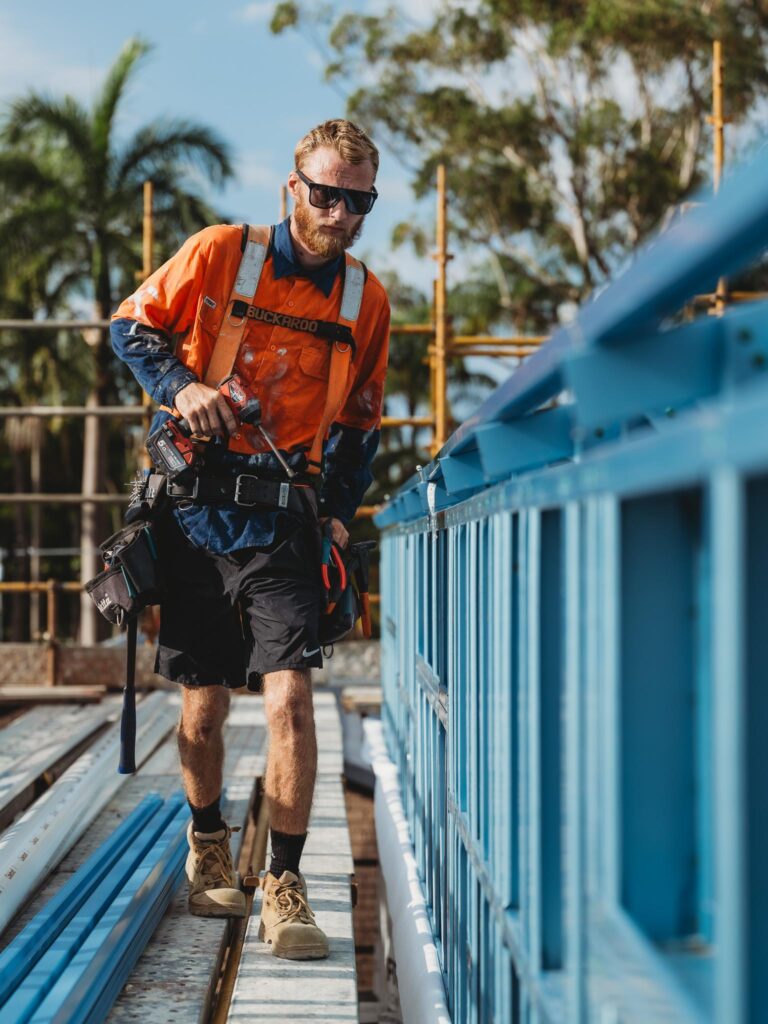
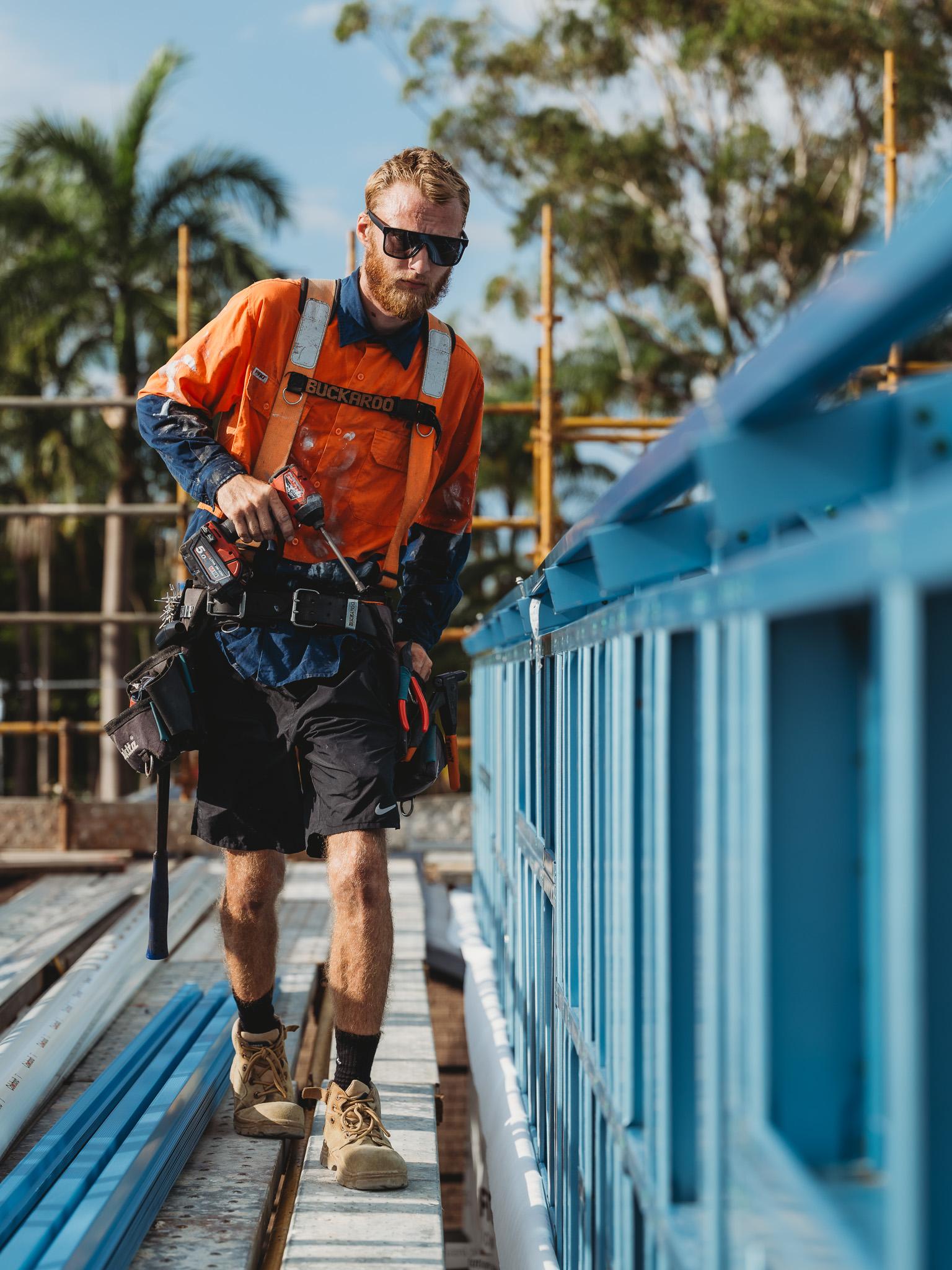
Going the DIY route can help you save on roof inspection costs that a professional would charge. However, it’s important to consider your safety first. It can be risky to climb onto a roof without adequate training or proper safety equipment. Slippery surfaces and issues with a roof’s structural components can present a safety hazard. Inspections typically cover internal ceilings and external coverings, so consider what access you have.
Some equipment that can help includes:
Non-slip shoes.
Work gloves.
Safety harness.
Appropriate access ladder.
With safety measures in place, here are steps to take to assess your roof’s condition:
Start with a basic visual inspection from ground level. Check the roof line for any sagging that could indicate structural damage.
If safe to do so, make your way onto the roof surface. Look for cracked or missing tiles. On metal roofs, see if there is any rust or discolouration in the metal sheeting.
Check the flashing around skylights, chimneys, vents, and other roof penetrations. See if there are any gaps or places where it has lifted up and may let water in.
Look along all of the gutters around the roof. Clear out any debris accumulation to stop water backing up. Look at whether the gutter has cracks or is coming away from the roof at any point. Make sure the downpipes aren’t clogged and are secured in place.
Check ridge capping for cracks or holes in the mortar if it’s tiled. Metal ridge caps may have corrosion or loose or missing fasteners.
Look at the ceilings inside the house. Check for water stains and mould growth. This can be particularly important in Brisbane homes during storm season. If you can access the attic, look for water damage, and if there’s any daylight visible through the roof cavity, that could mean a leak.

The commercial and facility manager's checklist
Commercial buildings typically have flat membrane roofs that can be a lot more complex. They often contain significant roofing components like large HVAC and drainage systems. This can make a professional inspection important for a detailed assessment, and if you’re weighing up hiring a contractor rather than inspecting yourself, our commercial roofing contractor checklist covers what to look for there. But there are steps you can take to cover essential areas yourself:
Scan the membrane or roof sheets for any signs that they’re splitting or blistering where the material is coming away from the underlying structure.
Proper drainage is crucial for flat roofs, where water can build up quickly and damage critical infrastructure. Carefully check gutters and drainage points to find any blockages. After severe storms, see if there’s any ponding.
Commercial roofs often have a lot of penetrations. Look at all the roof flashing for any deterioration or gaps that can let water in.
Inspect all of the roof edges, parapet walls, and edge flashing for cracks and other vulnerabilities.
Check what roof repairs have already been done. Past repairs can be weak points. If the membrane was patched previously or flashing had been replaced, look at how it’s holding up.
Document the inspection
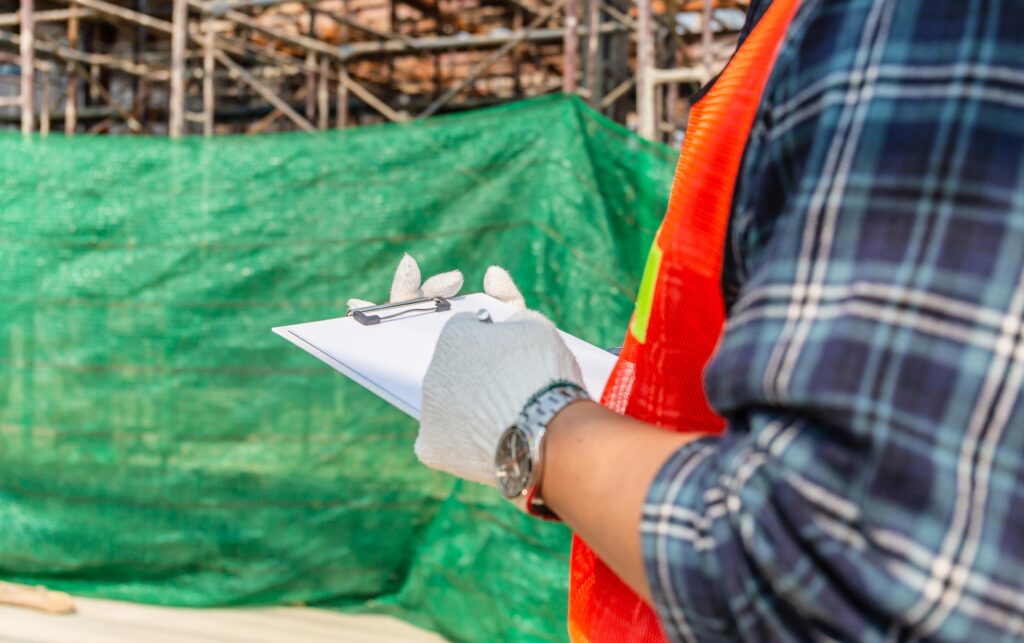
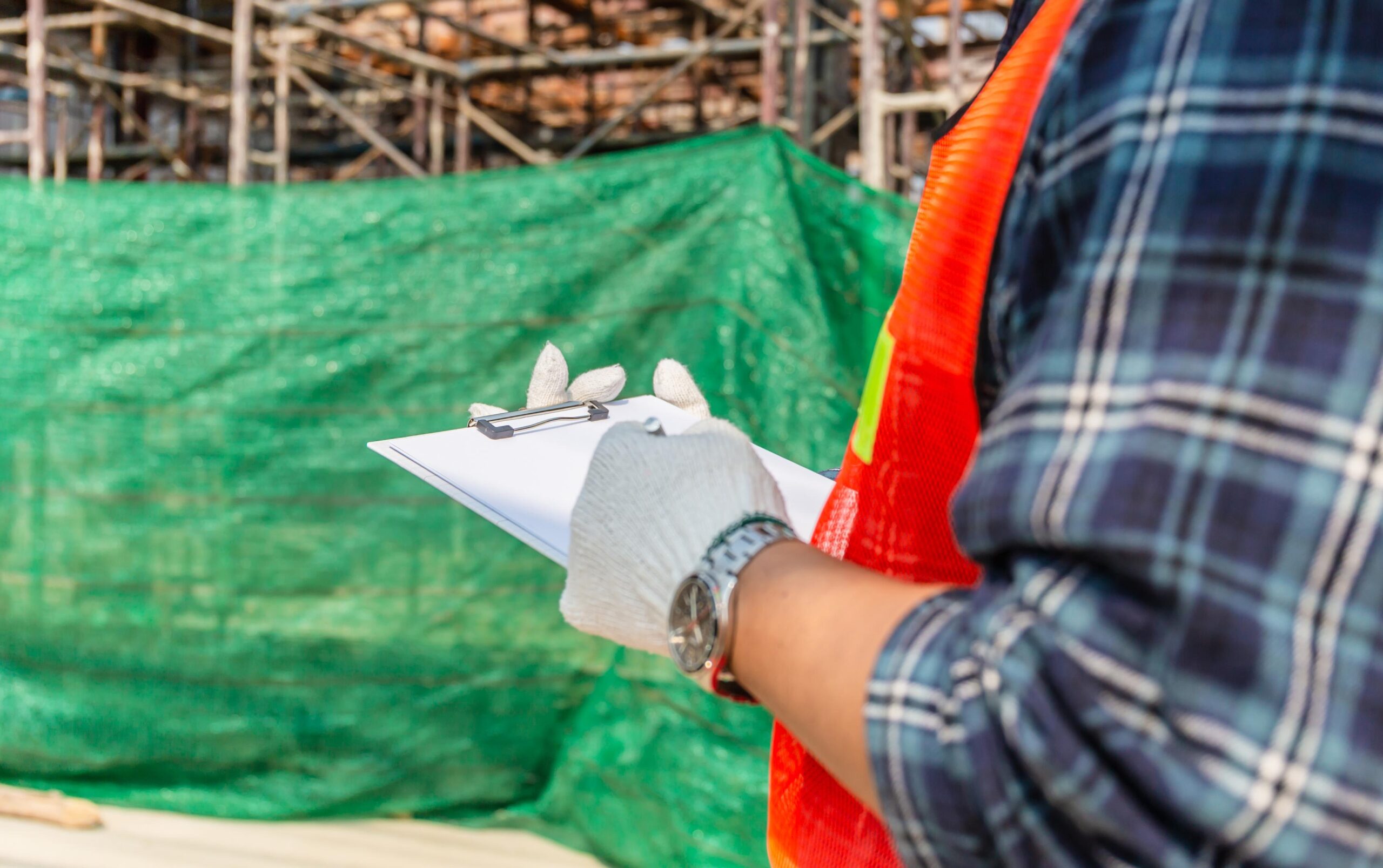
Commercial roof inspections should be documented carefully. Note the date that the inspection was done and the steps you took. Make a detailed report of any issues that you found and take photographs from multiple angles to give a clear picture of the state of the roof.
Having a detailed inspection and maintenance history can be important for asset management and planning for future work. A record of your inspections can also be crucial for insurance purposes. The requirements for insurance matters can differ depending on the insurer, so it’s useful to review your policy.

When to call a professional instead of inspecting your own roof
A DIY inspection is often good enough to spot clear damage or wear and tear. But it can be common for a roof to contain undetected leaks and display warning signs that aren’t obvious to the untrained eye. Here are some signs that you might want to hire a professional roof inspector:
You’ve noticed signs of a leak, but are having trouble locating the source. Roof gaps can be small and well hidden, which makes finding them very tricky to locate.
When your roof has a steep pitch or has other elements that you’re not comfortable navigating, leave it to a professional. They can bring the appropriate safety gear to conduct a comprehensive assessment at reduced risk.
If you notice any sagging, it’s likely that there are underlying problems that can cause significant issues. Structural problems are serious and need to be understood thoroughly. A professional contractor can accurately determine the issue and advise on the right course of action.
Sometimes, your roof can experience the same issue over and over again, even after major repairs. That could be a sign that the problem hasn’t been properly identified or requires a different solution. Getting a roofing contractor to inspect the issue can help you deal with it correctly.
If you’re buying or selling a property, a professional inspection can be critical for the peace of mind of all parties. It’s important to know exactly what the state of the house is before making any major decisions.
As a business owner, it may be necessary for your insurer that all assessments are conducted by a licensed inspector.
Don't wait for visible damage to get a professional inspection
Waiting until you see obvious signs of damage before getting your roof inspected by a contractor may result in issues developing further than they needed to. Minor problems can go undiscovered for some time, even with regular DIY checkups.
Getting a professional to look over your roof periodically, along with your own assessments, may help you avoid the need for costly repairs. If you’re a business owner, the right inspection schedule can depend on factors like the type of roof you have, the weather your roof gets exposed to, and your existing maintenance program.
Are you looking for a professional roof inspection?
Infinite Roofing can provide professional assessments for residential and commercial buildings. If you’re looking to restore your roof or just want a regular inspection from an experienced contractor, contact us for a free quote.