

Why weigh up the cost of a new roof?
Accurate cost estimation is crucial when budgeting to avoid unexpected expenses. This process involves a comprehensive understanding of various factors contributing to the overall cost.
Replacement Cost in Brisbane: 2026 Breakdown.
Financial Planning and Budgeting – Knowing the estimated cost upfront helps homeowners plan their finances better. It allows for setting aside the right amount of money, considering all aspects of the project. This way, homeowners can avoid the stress of finding additional funds mid-project.
Material Costs – Roofing materials vary widely in cost, from traditional asphalt shingles to more expensive options like metal or slate. Accurate cost estimation considers the price of these materials, helping homeowners make informed decisions about what they can afford and what will best suit their home.
Labour Costs – The complexity of the design and the chosen materials can significantly impact labour costs. A precise estimate includes labour, ensuring that homeowners are not surprised by higher-than-expected charges for installation.
Disposal and Clean-up Costs – Replacing it often involves removing and disposing of the old material. Accurate estimates should include these costs to avoid unexpected expenses for disposal and clean-up.
Permit and Inspection Fees – Requires permits and inspections in many areas, which come with fees. Including these in the cost estimate ensures compliance with local regulations without last-minute financial surprises.
Contingency for Unexpected Issues – Issues like structural repairs are often only visible once it is removed. A reasonable cost estimate includes a contingency budget for such unforeseen problems, ensuring the project can continue without financial hiccups.
Comparison Shopping – Accurate cost estimation allows homeowners to compare quotes from different contractors effectively. This comparison is essential for ensuring they get the best value for their money.
Long-term Savings – A well-planned budget considering all aspects of it can lead to long-term savings. For instance, investing in higher-quality materials might be more expensive initially but can save money in the long run due to lower maintenance and better durability.
Avoiding Underinvestment. Underestimating the cost can lead to cutting corners, which might compromise the quality. This underinvestment can result in higher maintenance costs and a shorter lifespan.
Age
When considering the replacement cost versus repair, consider the roof’s age. Roofs aren’t expected to last forever. Typically, a roof’s lifespan falls somewhere between 20 and 30 years. This can vary depending on the materials used. Metal roofing is durable and can last 50 years or more, while asphalt shingles usually last between 15 and 30 years. A replacement may be best if your roof is approaching its life expectancy. Slate roofing can last up to 75 years with proper maintenance.
Conversely, a new roof with minor damage will benefit from repair rather than wholesale replacement.
Cost of Roofing Materials
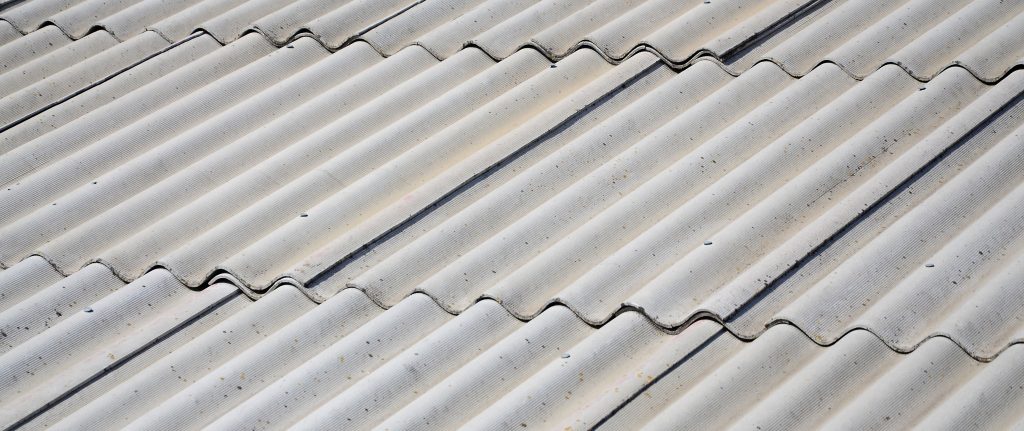
Material cost can be a massive part of your decision to opt for a replacement or repair. Here’s a brief cost guide on common roofing materials per square metre:
Steel Colorbond roof- ~$25
- Roof insulation can add $30 to $60 per square metre.
Tiled roof
Concrete tiles- ~$50
Slate roof tiles- ~$350
Solar roofing tiles- ~$270
Terracotta tiles- ~$90
Asphalt tiles- ~$70
Asbestos roof removal
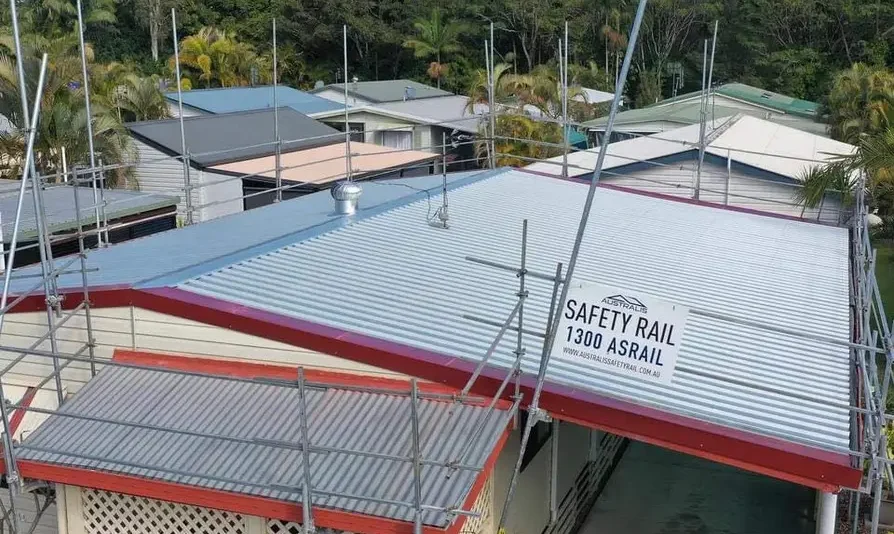
Many houses built in the 1980s and before likely contained asbestos. Asbestos was valued for its insulating properties and heat resistance. However, its tiny fibres were found to cause fatal lung conditions if inhaled. As a result, using asbestos in building materials was banned in 1990. With a recommended life span of 25 years, an existing asbestos cement roof should be replaced with safe concrete roof tiles.
Working with an asbestos roof will increase the labour cost. The safety risks associated with the material require added care from a roofing contractor.
Extent of damage
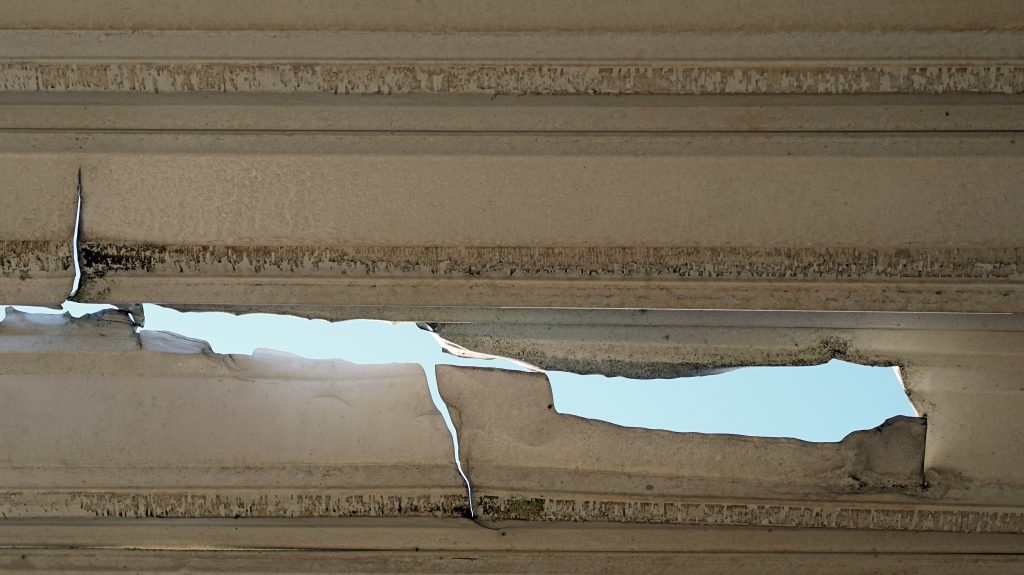
The damage a roof has sustained matters significantly when considering repair versus replacement. You should be able to repair damage localised in a small area easily. Extensive damage to a large portion of the roof may require replacement.
Frequency of repairs
You may have dealt with frequent repairs in the past. If certain issues keep recurring, that may be a sign the roof needs to be replaced. As time goes on, continual spot-fixing may mask underlying problems. As wear-and-tear accumulates, replacement may become more cost-effective.
Material deterioration
Different roof materials deteriorate in different ways. Asphalt shingles tend to lose granules and become brittle. Wood shakes can rot, warp or split. Some metal roofs can corrode, causing leaks. Understanding how materials age and impact their performance can influence whether a repair or replacement is necessary.
Labour costs
Labour costs range from $50 to $80 per hour. Determining labour costs involves several key factors. These factors can vary based on the project’s complexity, location, and the specific requirements of the roofing job. Here are the primary considerations:
Size of the Roof. Labour costs are often calculated based on the square footage of the roof. Larger roofs require more materials and more man-hours to complete, increasing labour costs.
Roof Design and Complexity. The complexity of the roof design significantly impacts labour costs. Features like multiple levels, steep slopes, skylights, chimneys, and other architectural details require more time and expertise to navigate, increasing the labour involved.
Type of Roofing Material. Different roofing materials require different levels of expertise and time to install. For instance, installing slate tiles is more labour-intensive compared to asphalt shingles. The material’s weight and ease of installation play a role in determining the labour cost.
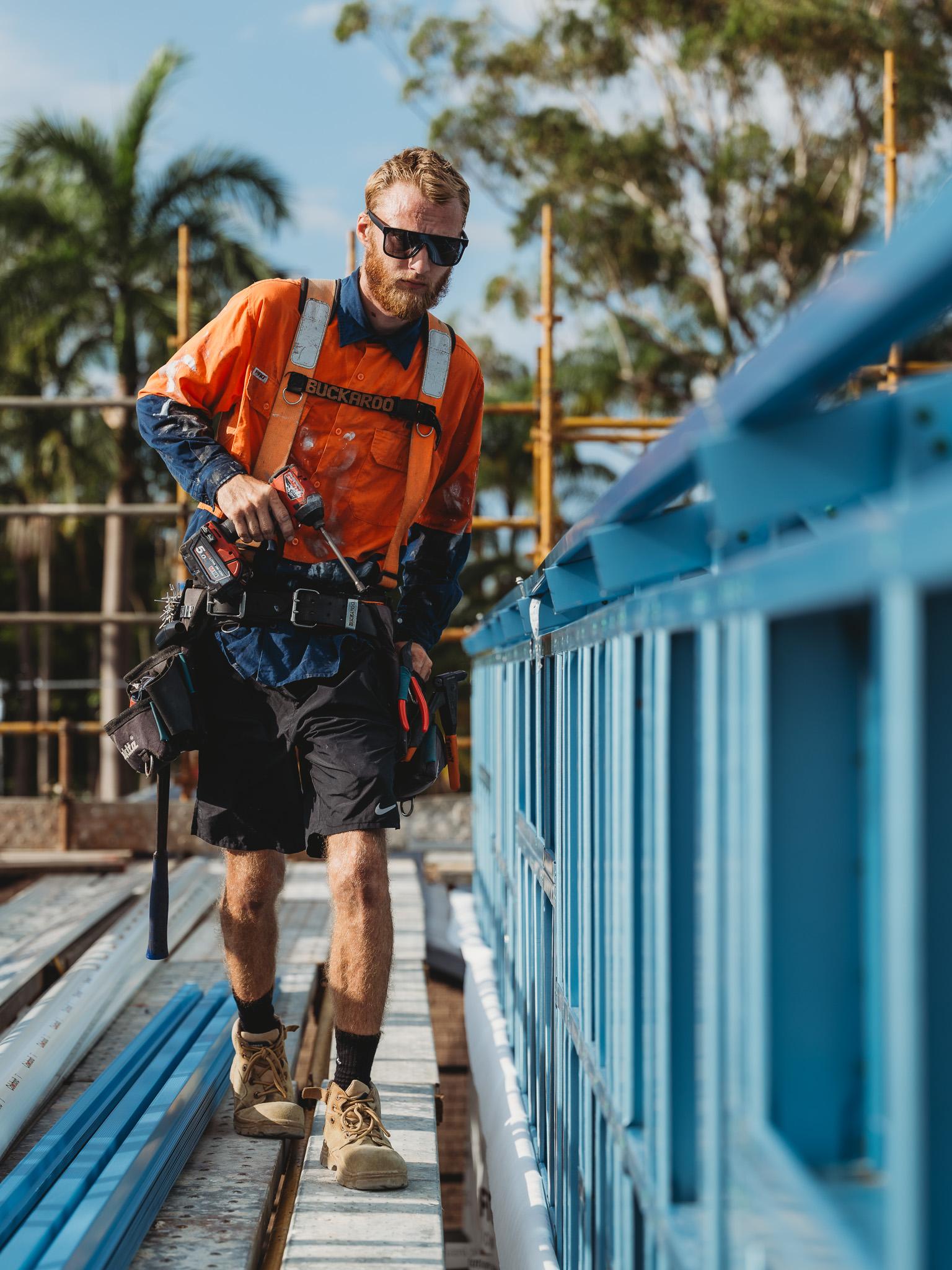
Accessibility and Safety Measures. The ease of access to the roof affects labour costs. Roofs that are difficult to access may require additional equipment like scaffolding or special safety measures, which can increase labour expenses.
Waste factor. Roofs with a simple design have a lower waste factor, meaning less material is discarded during installation. In contrast, complex roofs with lots of cuts and adjustments can have a higher waste factor, requiring more materials to be purchased to account for this waste.
Energy efficiency
Your roof plays a critical role in your home’s energy efficiency. A well-maintained roof can reflect heat away in the summer and keep your home cool. In the winter, a good roof will help prevent heat from radiating away. This can significantly benefit you by saving money on your energy bill. Using air conditioning less will also reduce your carbon footprint. The cost may be more upfront, but the long-term savings can justify it. Roof ventilation upgrades are essential for moisture management.
Future plans
Consider what you want to do with the property in the future. If you intend to sell your house shortly, a new roof could be a significant selling point and increase its value significantly. You may be planning to rent the property out. The benefits of a new roof will be attractive to prospective tenants and potentially create a higher-yielding investment.