

Choosing between house cladding options means weighing up cost, durability, maintenance and looks, and there are more materials and profiles available than most homeowners realise. This guide compares eight house cladding options side by side, from Colorbond steel to fibre cement, so you can see how they differ and picture which could suit your home. Cladding also has to stand up to local conditions, which matters across Queensland’s storms and coastal exposure.
Your house cladding options
Cladding in Australia spans a variety of materials — timber, brick, fibre cement, metal and vinyl — each offering its own mix of characteristics and benefits. The options below focus on metal and fibre cement, with other common materials covered further down.
Exterior cladding materials at a glance
Note: The prices shown are indicative only. They were sourced from Hipages.com, myspecificer.com, yourlocalroofers.com.au, and servicetasker.com.au.
| Material | Cost/m² | Maintenance | Lifespan | Aesthetics |
|---|---|---|---|---|
| Colorbond | ~$76.50–91.50 | Low | ~50–70 yrs | Clean, modern; many colours; old & new homes |
| Zincalume | ~$67–85 | Low | ~30–50 yrs | Industrial; fewer colour options |
| Aluminium | ~$69–91.50 | Low | ~30–60 yrs | Versatile textures, modern to rustic |
| Copper | ~$180–300+ | Very low | ~60–100 yrs | Classic vintage tones; oxidises over time |
| Fibre cement | ~$50–75 | Medium | ~40–50 yrs | Mimics timber/stone; varied textures |
Colorbond steel
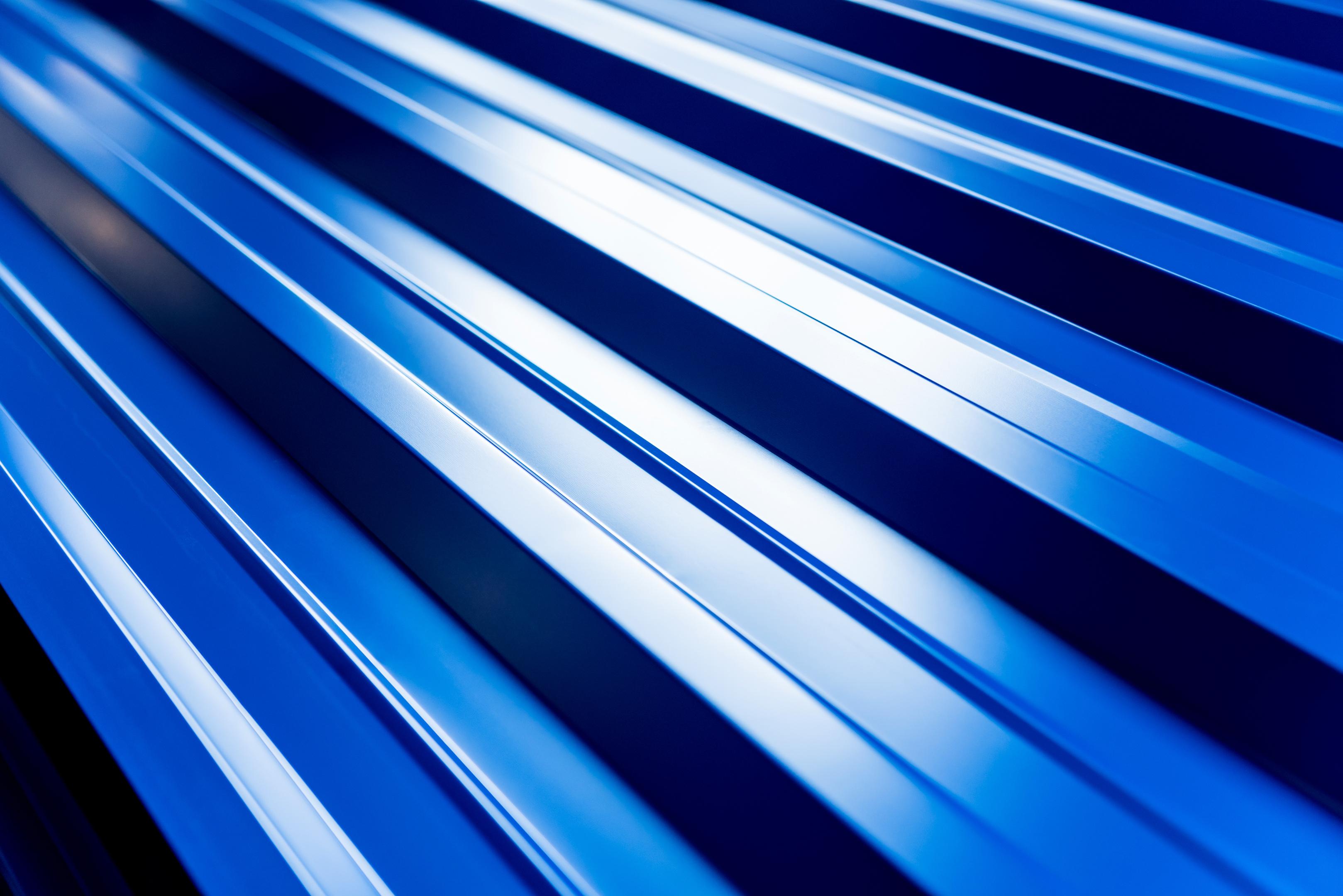
Colorbond steel is one of the most popular cladding materials. It provides excellent weather resistance for Queensland conditions, where you could face severe storms and high exposure to UV rays. You don’t need to worry as much about the potentially highly corrosive environments you can experience on the coast. It comes in various colours that can be matched to your roof to enhance your property’s curb appeal. Colorbond steel has a sleek and modern look that has become one of the most popular choices in the Australian market for residential and commercial buildings.
It has good durability that doesn’t require as much maintenance as other materials. This can reduce costs over the long-term. It’s also non-combustible, which is important in bushfire-prone areas.
Zincalume steel
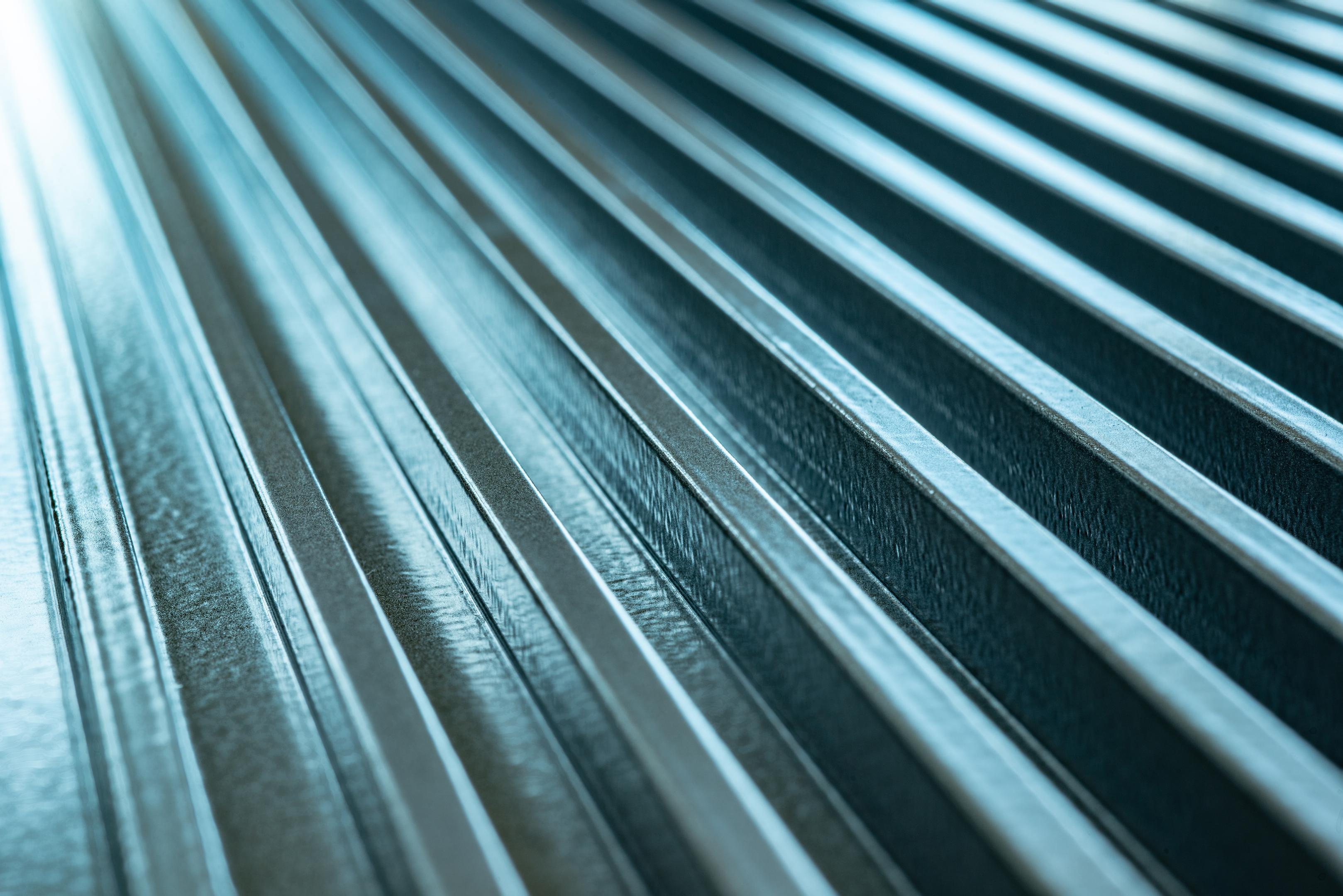
Zincalume steel sheeting doesn’t come pre-painted like Colorbond steel. It provides good corrosion resistance through its alloy coating that typically consists of aluminium, magnesium, and zinc. It’s a generally low-cost option that’s easy to install. Unfortunately, it doesn’t come with the same colour options as Colorbond cladding. This can give it a bit less design flexibility. However, its long life span can make it valuable for many homeowners.
Aluminium
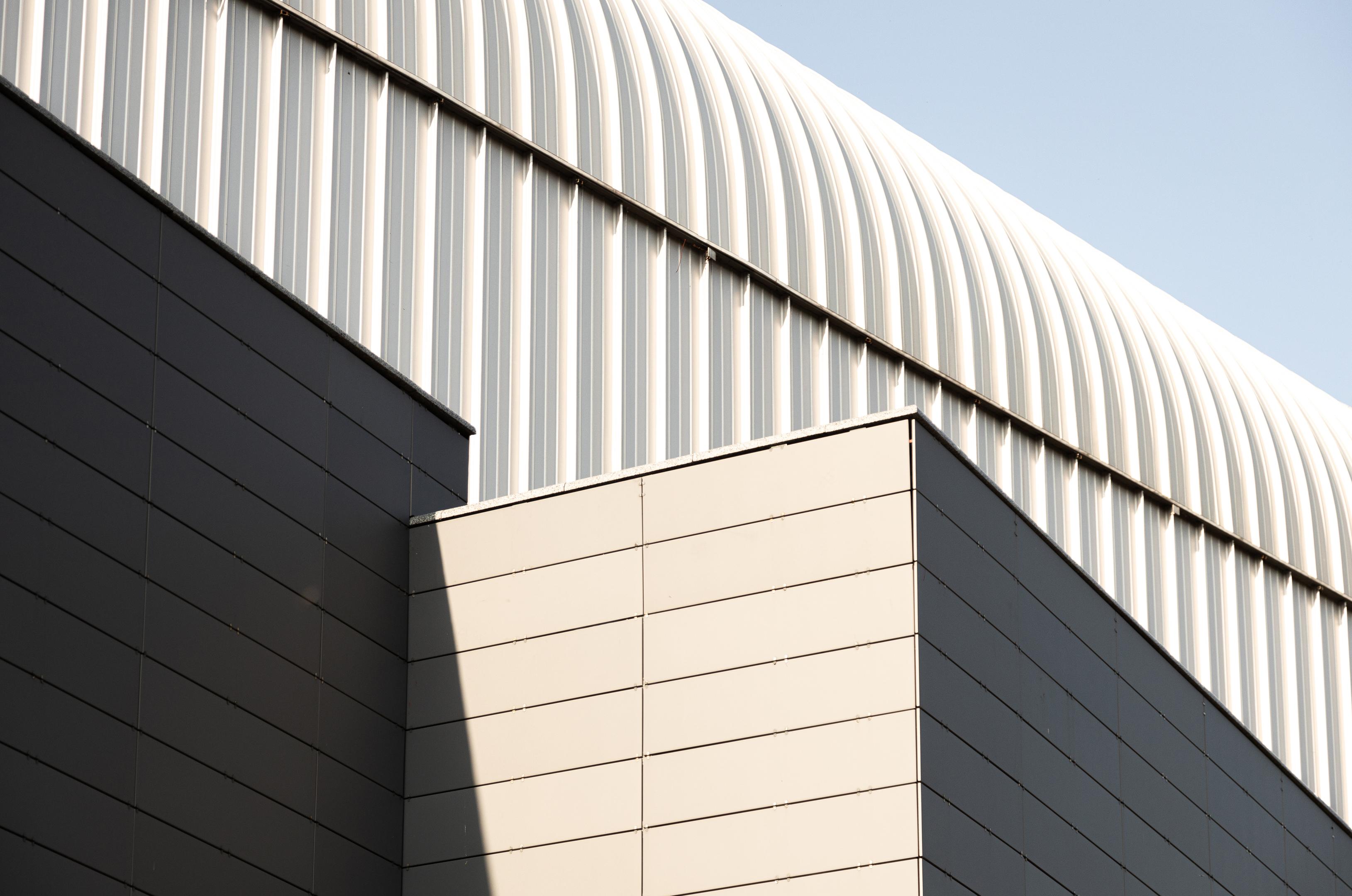
With the right maintenance, aluminium cladding can last up to 60 years or more. Maintenance can often just come down to giving the cladding a wash-down every once in a while. Aluminium forms a natural oxide layer that gives it corrosion-resistant properties. This can be very helpful in coastal environments like Brisbane.
However, aluminium is a softer metal that dents and scratches more easily than other cladding systems. It also has a higher upfront cost.
Copper
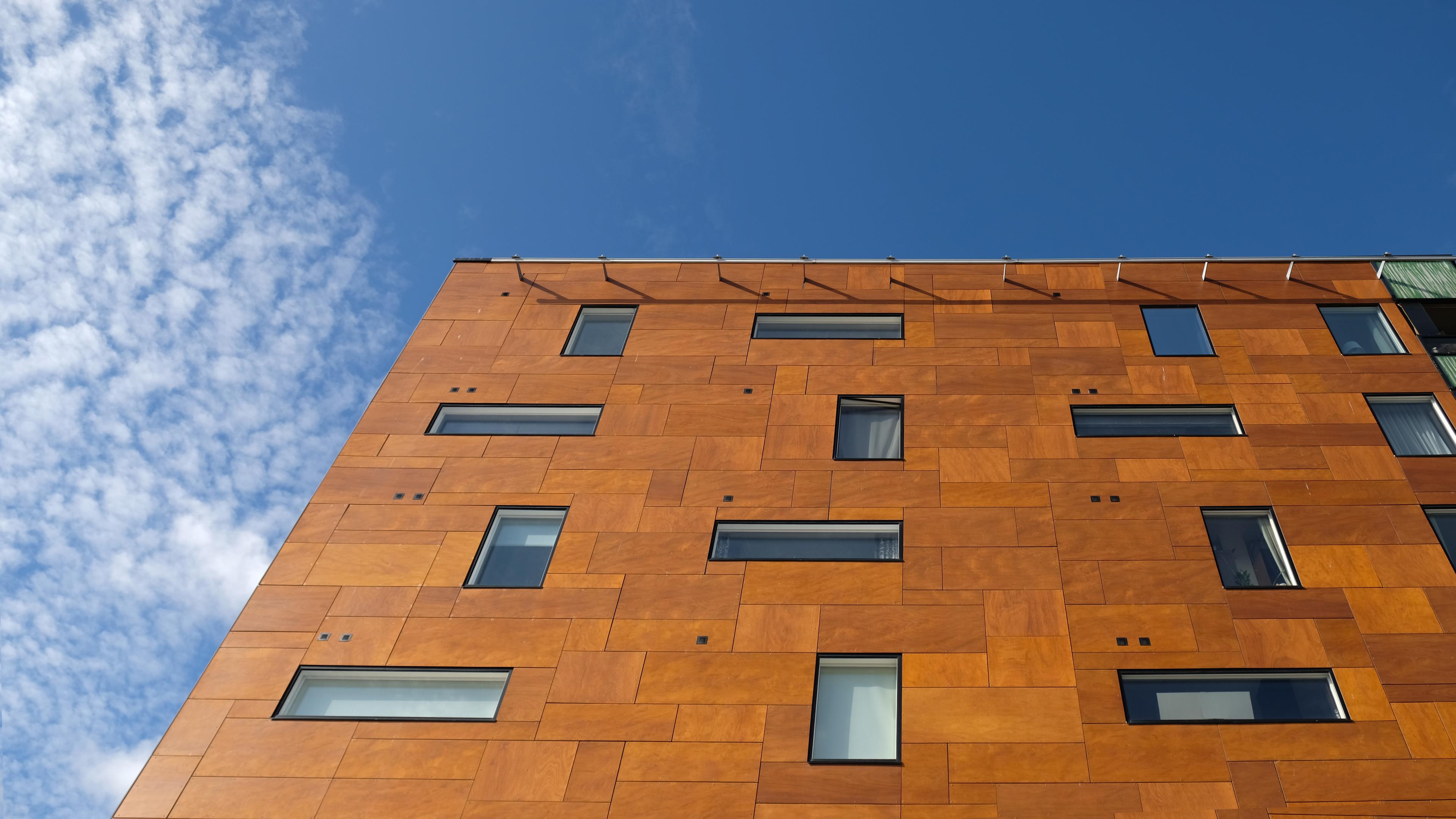
Copper cladding has one of the most distinctively premium looks that provides a high-end aesthetic appeal. Pairing this with its durability and being very lightweight can offer good benefits to an Australian home. It can last over 100 years with low maintenance. One of its biggest drawbacks is the high cost per square metre, and that it can be difficult to source. The patina it forms after oxidation may also not gel with every building design.
Fibre cement
Fibre cement sheets are an affordable composite material that’s made out of a mixture of sand, cement, and cellulose fibres. Aesthetically, it’s a very versatile material that’s often used to imitate the look of timber cladding on external walls. It avoids some of the downsides of natural timber by being easy to maintain and durable in coastal conditions. There’s also a lower risk of pest infestation leading to rotting timber frames in high-humidity environments.
However, it tends to be heavier than options like plywood cladding and metal. This can make the installation process a bit more time-consuming.
Corrugated profile
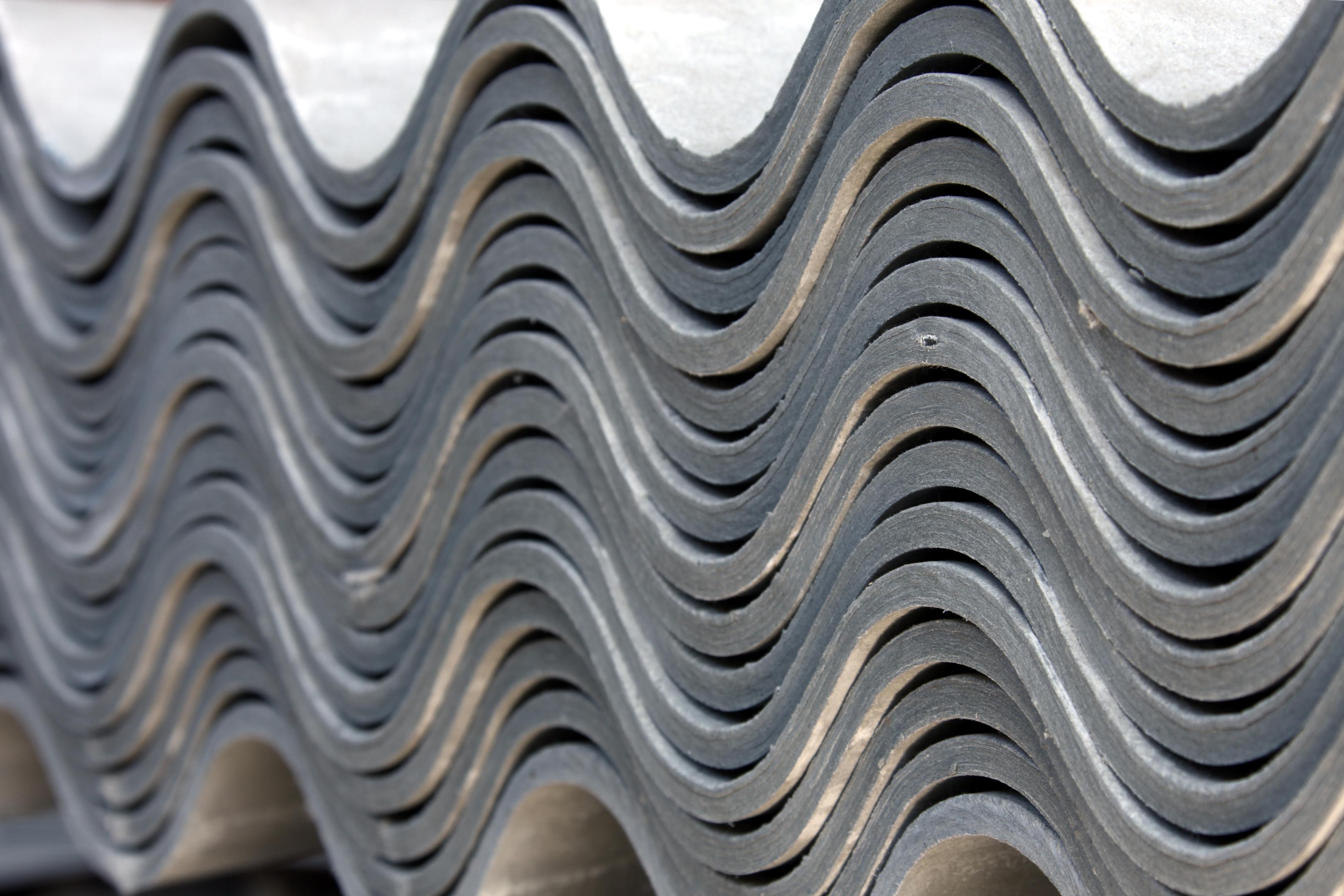
The corrugated profile is a classic look that’s been a feature of Australian residential homes stretching back to the 1800s. It’s proven to have longstanding benefits that have kept it in use for so many decades. It’s structurally strong and may fit into traditional and modern homes. It’s usually quick to install and holds up well in harsh weather. But some parties may not like it’s more industrial look and the fact that it generally comes with exposed fasteners. The exposed fasteners can also introduce potential weaknesses where water can get through.
Standing seam profile
Standing seam systems are favoured by parties looking for a modern architectural design. It has concealed fasteners, which give it a cleaner overall appearance that is becoming highly sought after. It can provide for good thermal movement between the heat of the day and cool nights. This gives it great weather resistance. Its popularity means it’s usually available in a variety of materials, including Colorbond steel and aluminium.
However, its more complex design requires specialised tools and technical knowledge. This means that you need a professional installer who has experience with this specific system.
Snaplock and interlocking panels
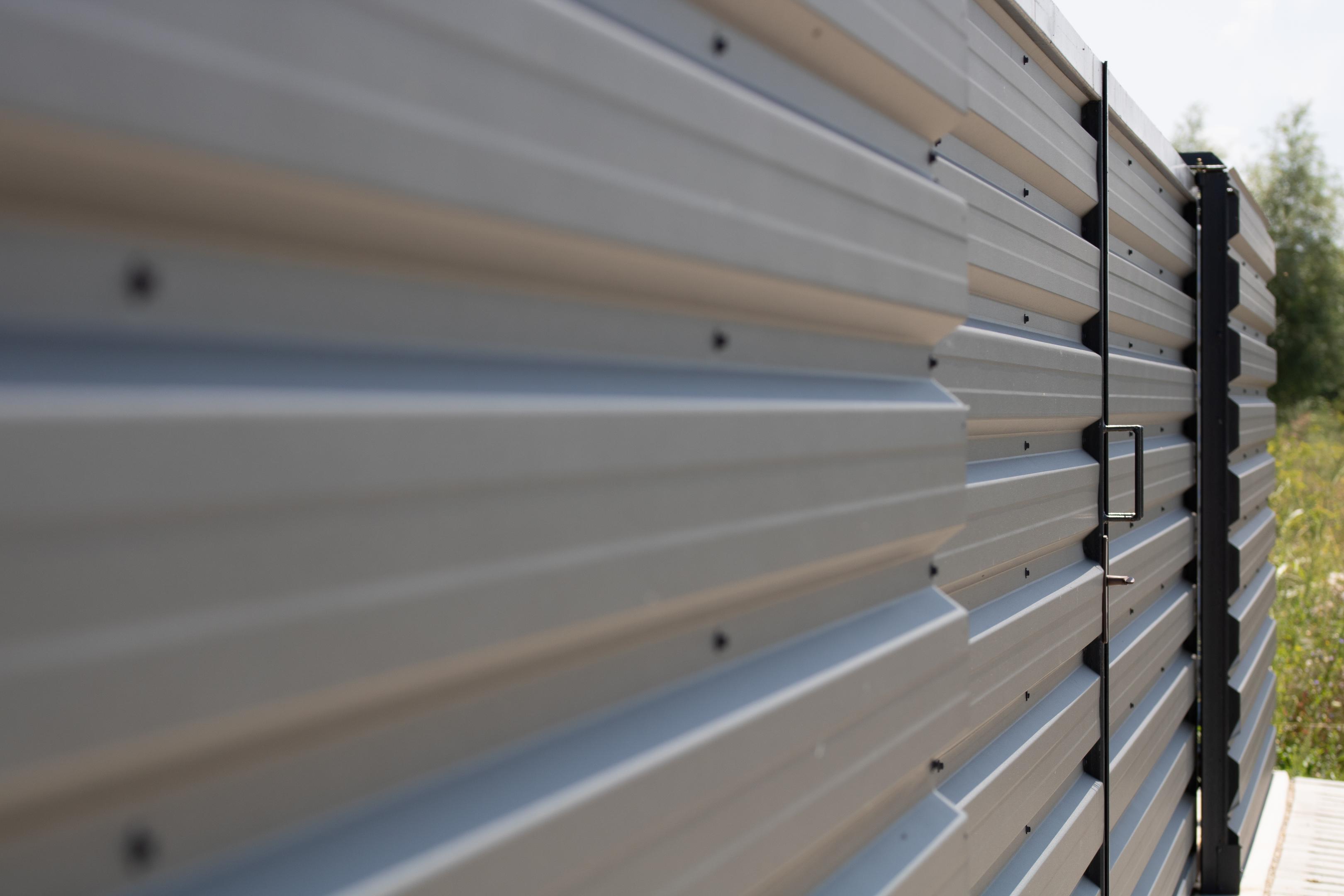
Snaplock panels have a similar look to a standing seam profile, with the iconic vertical fins that work well in modern homes. One of the key distinctions between the two is that snaplock cladding doesn’t require specialised tools, since its design allows the panels to lock together with steel clips instead of screws. This typically makes the installation easier and quicker than standing seam. But it’s still worth using a professional installer to make sure that the cladding is locked together correctly.
Other house cladding options to consider
The eight options above aren’t the whole picture. Australian homes are also clad in timber, brick and vinyl, and each suits a different budget and style.
Brick and masonry remain a popular choice across Australia. They are exceptionally durable, need little maintenance, and provide excellent thermal performance in hot climates — which makes them well suited to a range of conditions, including coastal areas.
Timber offers a natural look but carries a maintenance trade-off. Timber cladding materials are subject to termite attack unless treated, whereas non-timber systems are generally not susceptible. Even so, inadequate detailing can allow termites to reach any timber structure behind the cladding.
How to choose the right cladding system
With so many exterior cladding options available, there are some key factors you may want to keep in mind when deciding which is right for your situation. If you’re leaning towards metal, it’s worth reading up on the benefits of metal cladding before you commit.
Budget
Your budget is usually the first major issue to consider. It gives you the spectrum of cladding options that you can realistically choose. Premium products like Colorbond or copper will have a higher upfront cost than fibre cement or corrugated steel. These costs are driven by factors such as:
The price of the material and whether it’s available from a local supplier.
The complexity of the installation. Some systems are more labour-intensive and time-consuming to install.
However, the upfront cost is only half the story. You also need to weigh up the costs you’ll incur over time. Paying a higher price initially may be worth it if the material is highly durable and lasts a long time without the need for a lot of maintenance.
The material itself drives much of the cost. Common options like timber weatherboard or brick are generally more readily available and less expensive than newer or less common systems such as external insulation and finish systems (EIFS).
Energy efficiency
A material’s thermal efficiency is another big economic decision. Cladding material can impact your house’s thermal performance through things like its colour and how it’s installed. A product like Colorbond can come in a range of colours and contains Thermatech solar reflectance technology, which keeps out more of the Sun’s heat. Paired with effective thermal insulation, it can reduce a homeowner’s energy bill.
Fire resistance
It’s important for Brisbane homeowners to be aware of risks in bushfire-prone areas. Metal cladding and fibre cement tend to have better fire resistance than something like timber weatherboards, which need to be treated and strictly maintained.
Weather resistance
Cladding systems use different methods to stop wind and rain getting in through the joints between panels or sheets. How well they hold up depends on the wind direction, wind speed and how exposed the wall is to driving rain, so a system that performs well on a sheltered wall may struggle on an exposed elevation.
Environmental impact
The environmental sustainability of construction materials is becoming a more and more important issue. Sustainability can vary a lot between materials, depending on their recyclability and manufacturing process. Some materials, like steel, are basically infinitely recyclable. It can be repurposed without losing its strength or quality.
Fibre cement generally has low embodied energy compared to some other materials. This means that fewer greenhouse emissions are involved in its manufacturing. However, this can vary between manufacturers based on factors like how much water and cement they use.
Sustainability is improving across the board, too. Many reconstituted wood products are made from forestry waste with minimal energy or chemical input, putting them among the most sustainable options available. Newer products built from hemp stem fibre, agricultural waste or post-consumer waste are also emerging, and these typically carry a lower environmental impact than traditional materials.
Aesthetics
When it comes to cladding, you shouldn’t apologise for thinking that looks are important. The appeal of different cladding options will depend on your house’s architecture. Here’s how you might approach different materials:
Colorbond steel has a versatile modern look that’s available in multiple colours. It can work equally with older and newer builds.
Fibre cement can imitate other materials like timber and has decent flexibility across various architectural designs.
Copper cladding has a dramatic colour that carries a premium vintage look. It can work well for heritage properties, but the fact that its colour changes can limit its versatility.
Corrugated cladding has a more industrial look that can fit nicely with some houses. However, its exposed fasteners can be a limiting factor.
Conclusion
While we’ve covered eight house cladding options here, there are many more. Each one has its own strengths and weaknesses. There are a lot of factors to consider, including durability, cost, weather resistance, and aesthetics. This guide can serve as a starting point for your research and give you an idea of how different materials compare.
Do you need assistance with cladding products?
Infinite Roofing offers architectural cladding services for residential and commercial projects. Contact us today for a free quote.