
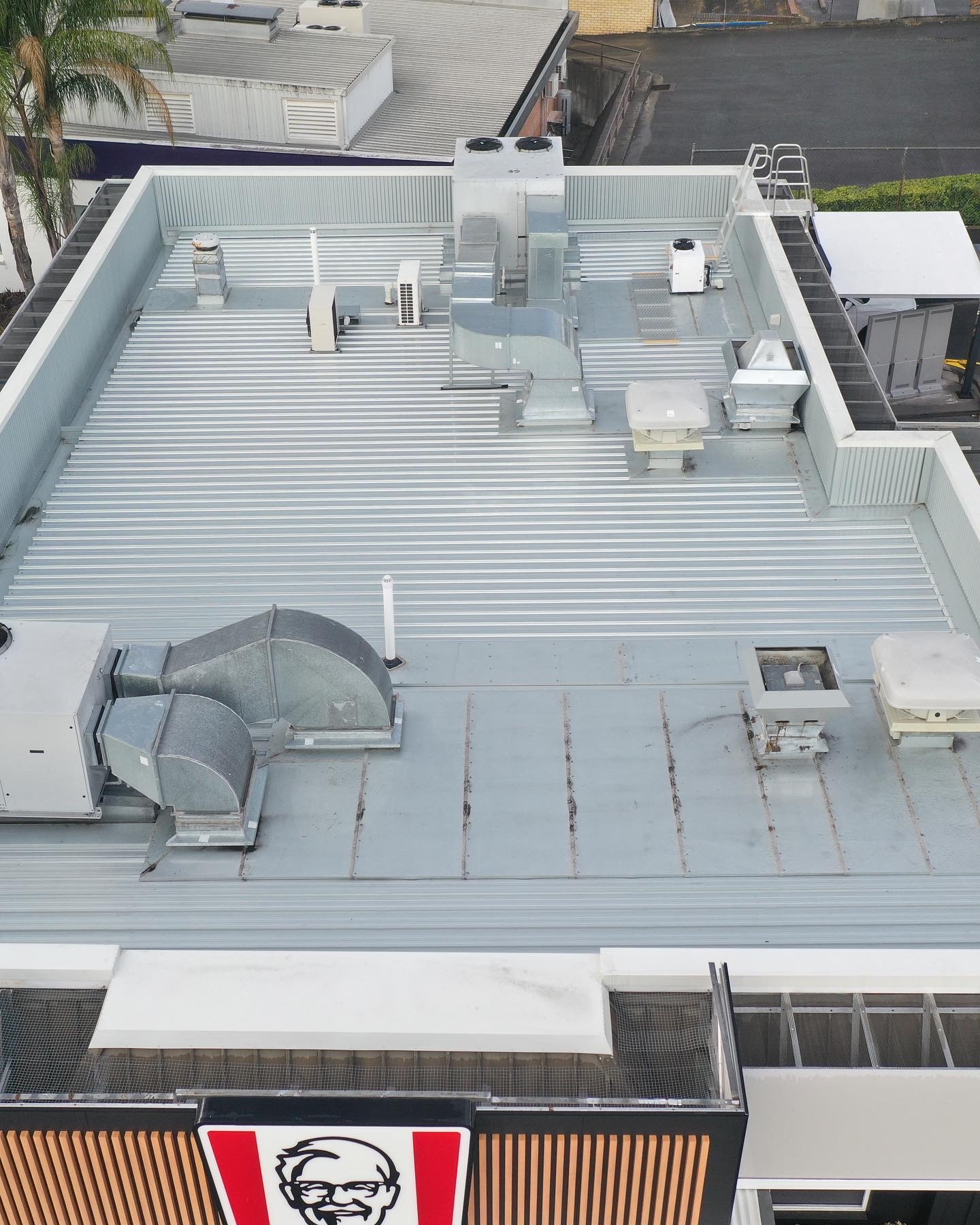
The right roof for a commercial or industrial property depends on different factors. The practical requirements of the business operations, your budget, and the climate all play a part in what roofing system better suits your needs. Here are the common roofing materials favoured by Brisbane businesses.
Key takeaways
How commercial roofs differ from home roofs
Commercial properties have specific requirements that can differ greatly from residential properties. Here are some key differences:
Commercial buildings are typically flat or low-slope. This is generally more cost-effective for larger roofs and can better accommodate essential business infrastructure. While pitched roofs commonly used by houses naturally drain water off the roof, commercial roofs often need specialised drainage. Flat roofs typically require specialised roofing systems such as TPO or modified bitumen to manage water effectively.
Tile roofs are popular for houses. But they’re generally not suited to commercial roofing needs. Membrane and metal roofing usually work better because they can offer excellent durability and can be applied over large areas affordably.
Commercial roofs often need to be able to support heavy equipment, such as air-conditioning, ventilation systems, and solar panels.
Metal roofing for best roof for a commercial building
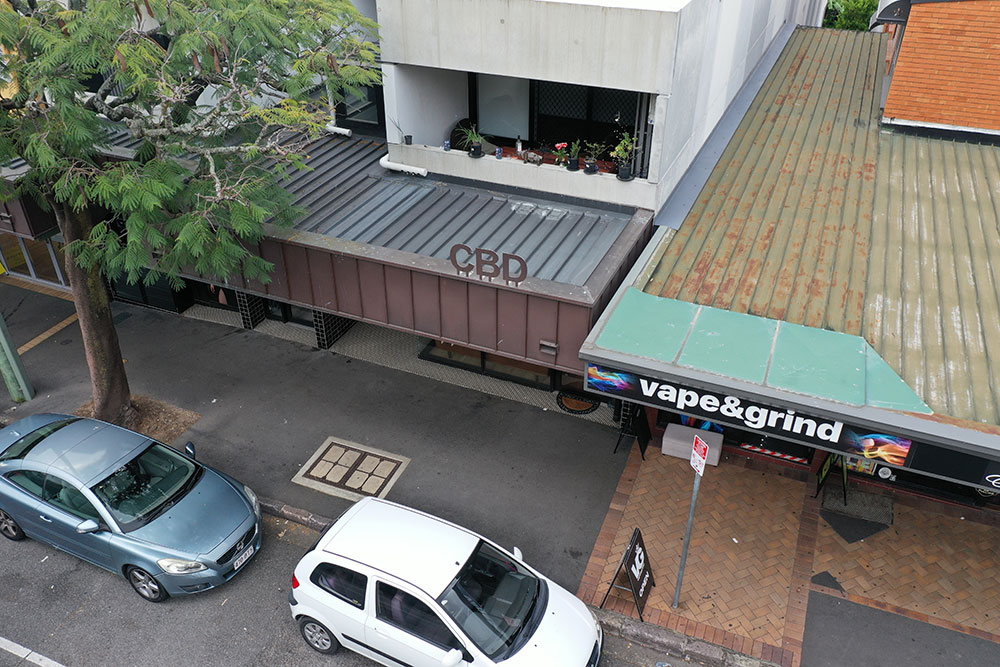
Metal roofing, like Colorbond, is among the most common commercial roofing materials. Colourbond and Zincalume are the two most common metal roofing materials used on commercial buildings. It’s widely used for warehouses, factories, shopping centres, and other large-scale commercial complexes. Looking at its benefits, it’s clear why Colorbond is so popular:
Colorbond is manufactured with multiple layers of protective coatings. This gives it protection from extreme weather conditions, like heavy rain and high exposure to UV rays. It also resists corrosion and requires relatively little roof maintenance. Colorbond’s durability can allow it to last for decades. Learn more at BlueScope Steel.
A new roof replacement can be completed quickly. This is vital when the roof has a big surface area. This can keep labour costs down.
Colorbond has high solar reflectance. Reflecting heat from the Sun can help reduce cooling costs and contribute to energy efficiency. This is important in hot Queensland summers. Metal roofing reflects heat and can meaningfully reduce cooling costs compared to darker or less reflective materials.
Membrane and flat roof systems
Membrane materials are another common commercial roofing solution. They’re primarily used for flat roofs, which often need greater maintenance than pitched roofs. Membranes can come in different forms, such as thermoplastic polyolefin (TPO) and ethylene propylene diene monomer (EPDM). Here are some of the major considerations:
Rubber sheets have seams that are made watertight through heat welding or specialised adhesives. These need regular maintenance to check for weaknesses and reduce the chances of water damage.
Membranes are often cheaper than other materials. However, they typically have a shorter lifespan and may need to be replaced sooner.
Certain membrane materials have excellent chemical resistance that can be important for some industrial purposes.
TPO has a lighter colour and good reflectivity and protection against UV damage. This can help provide energy savings.
Built-up roofing is a low-maintenance option that provides superior waterproofing, making it well suited to large flat commercial roofs.
Modified bitumen offers excellent waterproofing and resistance to temperature fluctuations, providing strong protection against extreme heat and heavy rainfall.
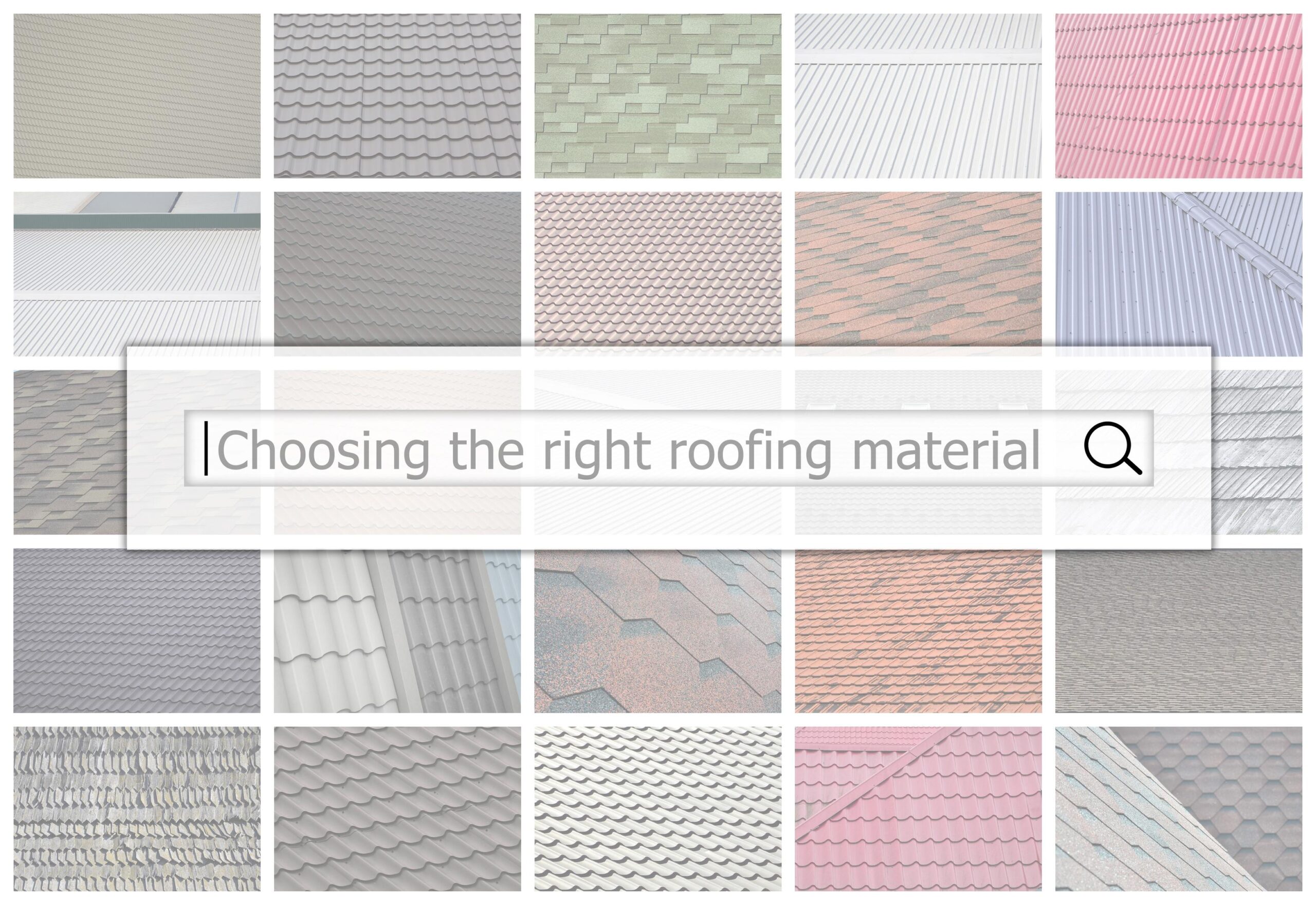
How to choose the right system
There are four main factors that we walk clients through to determine the right roofing material for their needs:
Roof slope. The slope of the roof impacts what kind of drainage and waterproofing is needed. Metal roofing tends to work better for sloping roofs, while membranes are useful for flat roofing.
Commercial use. Commercial properties can span a wide range of operations. We consider your industry to determine what material works best for your circumstances.
Budget. The expenses involved are more than the upfront cost. Property owners also need to consider the roof’s lifespan and maintenance needs.
Brisbane weather. Brisbane has a subtropical climate. You could face high winds from seasonal tropical cyclones to hot and intense Queensland summers. This is a crucial part of deciding which roofing system will work for you. Check long-term Brisbane climate data at the Bureau of Meteorology.
Getting a commercial roof assessment
The best way to understand what roofing option suits your requirements is to get a professional roofing contractor on-site for a formal assessment. Infinite Roofing is available to conduct a thorough inspection before a project. Our services include:
Commercial roofing repairs.
Commercial roof restoration.
Guttering and drainage solutions.
Work carried out in line with the National Construction Code and the relevant Australian Standards.
Our experienced team works with high-quality materials that are selected for weather resistance and long-term performance for restorations and replacements.
Are you looking for commercial roofing services?
Our team has worked extensively on commercial and industrial properties. Contact us today for a free quote on your project.
Infinite Roofing — QBCC Licence No. 1310331. Licensed under the Queensland Building and Construction Commission Act 1991 (Qld).