

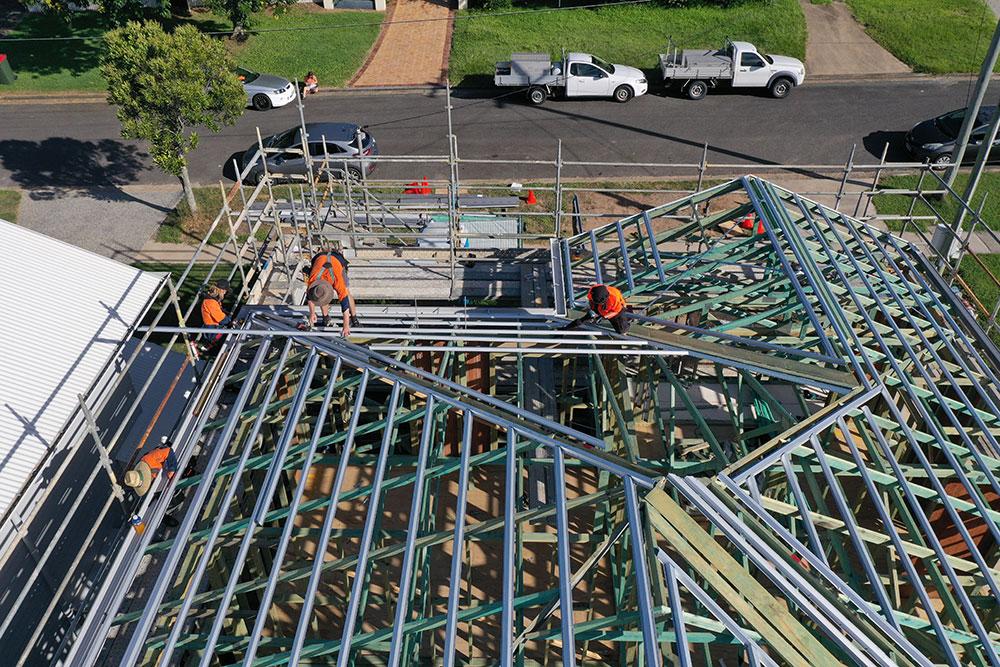
Whether you need a roof replacement building permit in Queensland depends on the nature and extent of the work. Some building work may be subject to an approval process for your safety. Not accounting for safety regulations can lead to potential legal repercussions. If you’re looking to get a roof replacement, here are some critical factors to consider.
Key takeaways
Heritage and character-overlay homes play by stricter rules, and may need planning approval on top.
Skipping the right approvals can come back to bite you on insurance claims, safety, and the eventual sale of the property.
When you need a roof replacement building permit
Construction work is regulated by layers of regulations. At the state level, Queensland is governed by legislation, such as the Building Regulation 2021 (QLD). The National Construction Code sets standards Australia-wide for issues such as energy efficiency standards and fire safety compliance.
A roofing project may need to receive formal construction approval from a private building certifier or the council when it meets certain criteria. Broadly, approval tends to come into play once you go past 20% of the roof area, swap to a different material, or start altering the structure underneath.
Project's scope
The Building Regulation 2021 (QLD) requires that a project get approval when more than 20% of the existing roofing system is being affected. This factor alone typically covers most roof replacement projects. Any work under that threshold is generally considered accepted development, which usually doesn’t require local council approval.
Material changes
If you plan on changing roofing materials, you may need to get formal approval. If, for example, you wish to switch from tile roofing to metal roofing, there may be safety risks that need to be considered. Even though the overall weight of the roof may decrease, different materials can distribute weight in different ways. Under these circumstances, any approved plans may be assessed against Queensland building standards.
Structural modifications
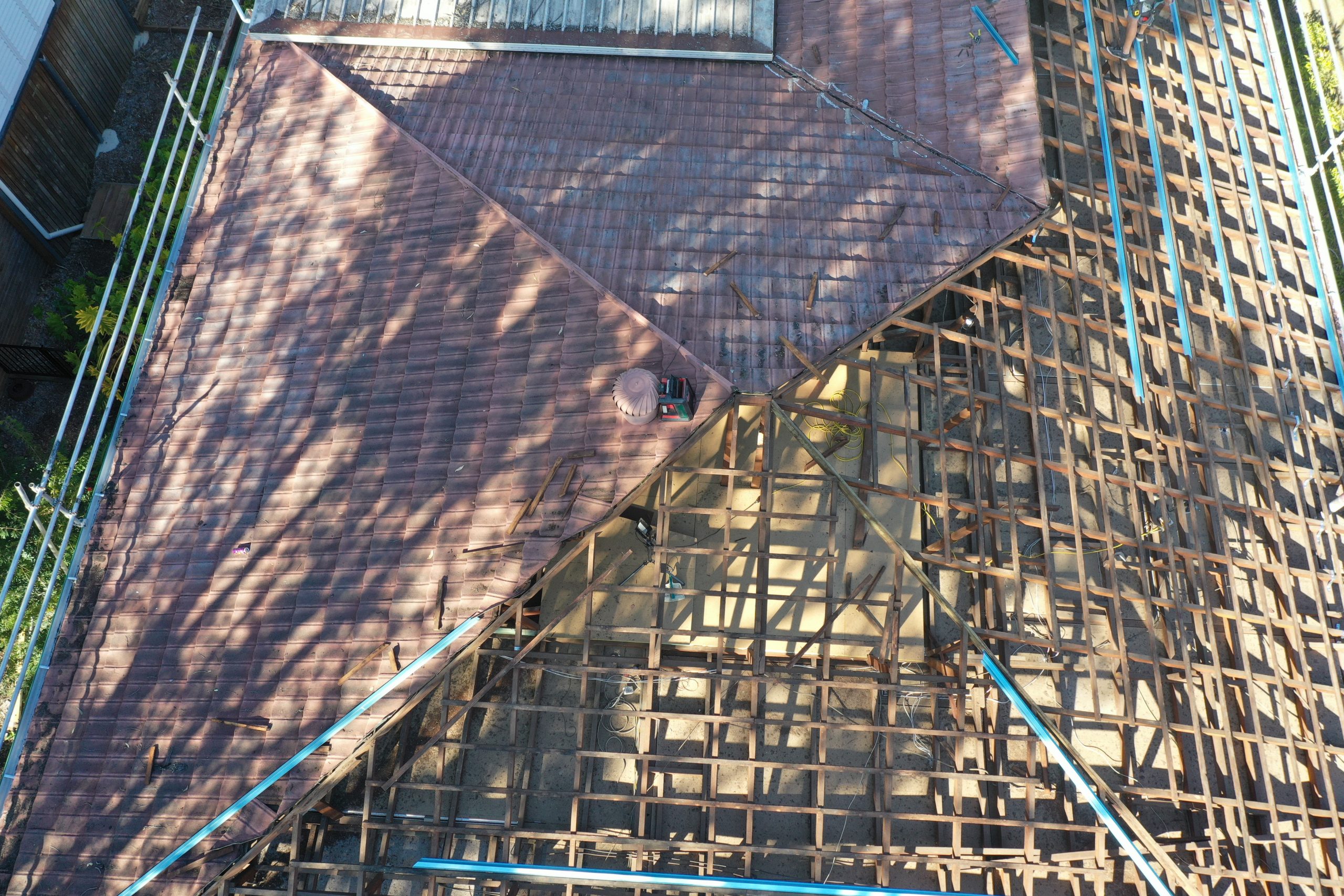
Regulations can be particularly strict when work directly affects a roof’s structural integrity. Roof replacement work can often involve making significant structural changes. This could include:
Replacing trusses or rafters.
Altering the roof frame.
Upgrading tie-downs.
Modifying roof supports.
Minor repairs and exemptions
Not every job needs sign off. Swapping out a handful of cracked tiles for the same material is usually treated as minor work, and that kind of repair generally slips under the approval threshold. The catch is that there’s a point where it stops being minor. Once you’re replacing more than a small number of tiles, the job can tip over into assessable work, and then it’s handled much like a larger project. If you’re not sure which side of the line your roof sits on, a building certifier can tell you before anything starts.
Documentation and certificates you may need
Approval is only half the story. Even on jobs where the council doesn’t get involved, you can still end up with paperwork to prove the work was done safely and to standard. What you need really depends on the size and nature of the project.
Most building approvals in Brisbane go through a private building certifier rather than the council directly. The certifier weighs your plans against the rules and signs the work off at the end. Expect to hand over things like site plans and a structural assessment, along with evidence that the roof meets the National Construction Code. On trickier jobs an engineering report can be asked for as well, even where formal council approval isn’t.
Roofing also rarely happens in isolation. If the work touches plumbing, drainage or electrical, those trades usually come with their own separate permits.
The last piece is the Form 21 Final Inspection Certificate. Your certifier issues it once everything’s finished, and it’s what confirms the roof replacement is lawful and matches the approval.
Heritage areas and character overlays
Older suburbs are a different matter. If your home sits in a heritage area, or falls under a Traditional Building Character overlay, there’s an extra layer of rules aimed at keeping the streetscape intact. In those zones a roof change can need planning approval on top of the usual building approval, and swapping materials tends to attract closer scrutiny. It pays to pull up your property’s zoning with the council early, well before you settle on a new roof.
Licensing and insurance for roofing work
Once a job passes a certain value, it has to be carried out by a licensed contractor, and a QBCC licence is the proof of that. There’s an insurance side too. For residential work over $3,300, your contractor has to take out QBCC Home Warranty Insurance on your behalf, which is there to cover you if the job is left unfinished or comes back with defects. On top of all that, the work still has to line up with the Building Act 1975 and the National Construction Code. Those aren’t just red tape. They’re what keeps the roof safe and protects your home’s value.

Why approval matters and the risks of skipping it
Queensland regulations have specific requirements that re-roofing jobs have to meet. Non-compliance can lead to a lot of issues, such as the following.
Insurance claim issues
An insurer commonly expects that any building work has received the necessary approvals when assessing a claim for damage. If they find that unapproved work contributed to the damage, they may reduce their payout or reject the claim altogether. This can be a big issue in areas where damage from cyclones or bushfires is a major risk.
Safety concerns
The approval process is there to ensure that a roof replacement is completed to Queensland building standards when engaging licensed roofing contractors. Roofs are exposed to all kinds of stresses. It’s important that a new roof is able to meet requirements, such as:
Withstanding the area’s high wind loads.
Effective waterproofing.
Proper drainage.
Appropriate load distribution.
Queensland can experience severe storms. Unapproved building works may put a homeowner at risk.
Property sale difficulties
Unapproved work can pose many problems during a property sale. During the conveyancing process, solicitors may question a lack of correct certification for any renovations. This can reduce a buyer’s confidence and delay the sale until you can get the required documentation. This can mean getting retrospective approval or even removing the non-compliant work. This can result in significant additional costs.
Conclusion
Before you begin work on a new roof, it’s important to consider what roofing approvals may be needed. Roof replacements for residential homes may require a permit in a number of circumstances for many homeowners. Performing any work on your roof’s existing structure without taking the necessary compliance steps may have significant consequences.
Are you looking for a QBCC-licensed contractor?
Our qualified professionals have been working with Brisbane homeowners for over a decade. We work in accordance with Queensland building standards and the Brisbane City Council’s requirements. Contact us today for a free quote.